


At 1001 Organic, we believe the best pepper in the world should have a genuine origin. Our spices are sourced directly from smallholder farmers to guarantee freshness, quality and social impact. Discover the aromas that will enrich your kitchen and find out how a single purchase supports smallholder farming families.
What makes pepper so special?
Pepper is more than just a spice; it brings flavour to our dishes and provides an unmistakable aroma. But what makes it so unique? The answer lies in the quality, the farming method and the region where it grows. High-quality pepper is the result of careful processing and cultivation under the best conditions – both climatic and ecological.
True pepper and its fascinating relatives
In the world of spices, there is true pepper, which comes from the pepper plant, and a variety of similar spices that have different flavours and properties. True pepper is usually offered in two main varieties: black pepper and white pepper, which develop different aromas. And then there are the so-called "false" peppers, which also provide exciting taste experiences.
The top pepper varieties from around the world
Tellicherry pepper: the classic with fruity notes
This pepper from southern India is among the best in the world. It stands out for being harvested when almost ripe and has an intense, fruity flavour. Tellicherry pepper is harvested by hand and brings citrusy, pine-like notes to your food. Its full-bodied aromas make it a favourite of many gourmet chefs and perfect for meat dishes or vegetables.
Lampong pepper: spicy and warm from Indonesia
This pepper has a balanced, warm character and is ideal for braised dishes. It is grown in a region of Indonesia where people live in harmony with nature. Lampong pepper brings a sweet, warming note to your food and is especially popular in Asian cuisine.
Malabar pepper: complex and versatile
Another pepper from the Malabar Coast in India, known for its complexity. Malabar pepper can develop both mild and slightly hotter notes and goes excellently with savoury dishes and curries. With its mix of citrus, resin and berry aromas, it is a true all-rounder in the kitchen.
Red pepper: fruity and rare
This rare pepper is harvested fully ripe and stands out for its intense fruitiness, often reminiscent of berries. It is a real treat and is excellent for salads, fish dishes and even desserts. Its elaborate production and harvest make it a rarity among pepper varieties.
Kampot pepper: fresh, with a quality label
From Cambodia, this pepper comes in different stages of ripeness – from green to red. Thanks to its near-natural cultivation, its aromas range from mild to exciting. Kampot pepper carries the story of the farmers who grow it, which makes it a unique treat.
The importance of sustainably grown pepper
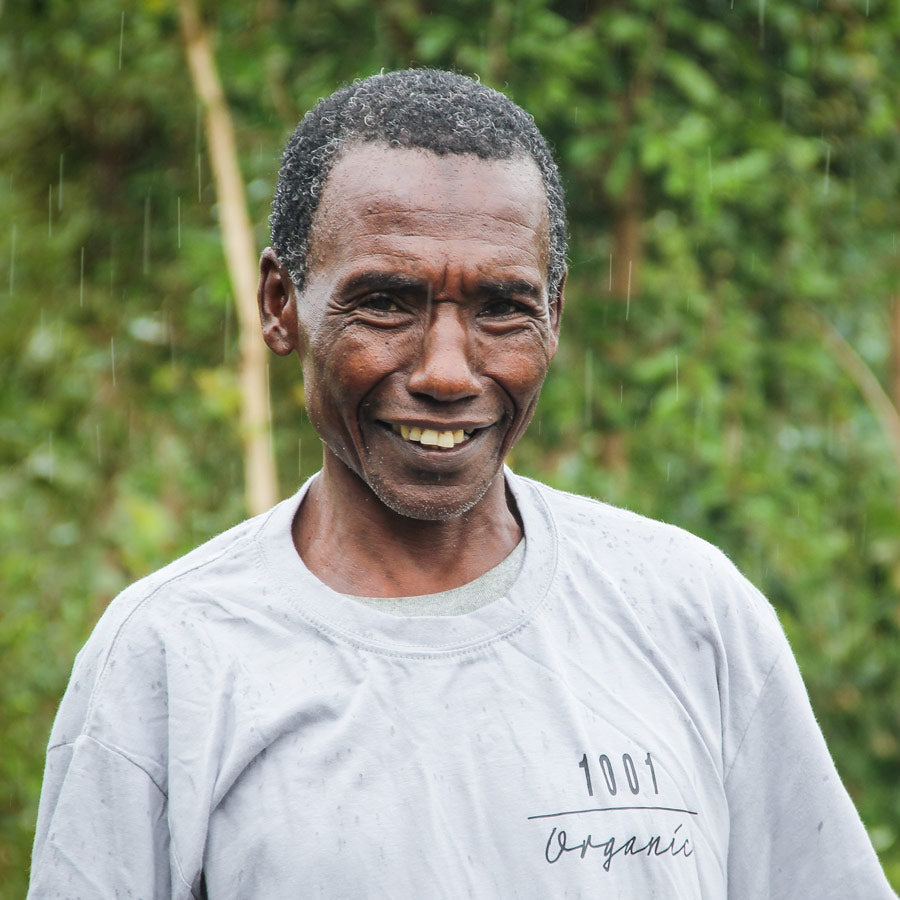
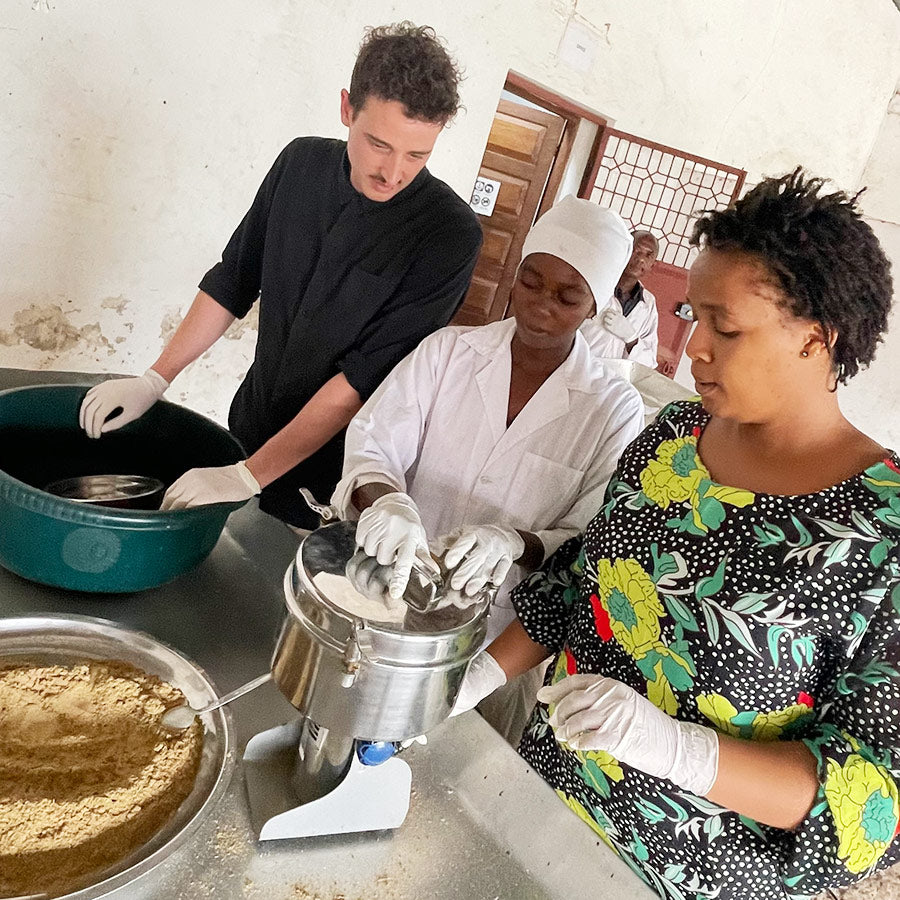
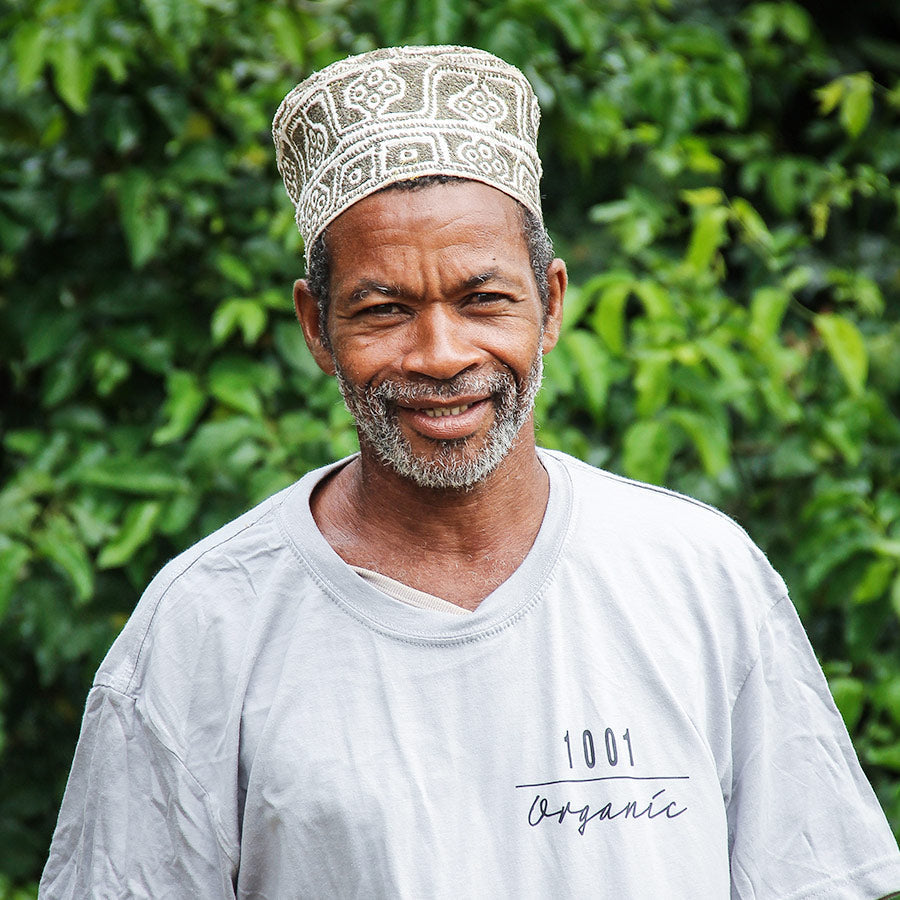
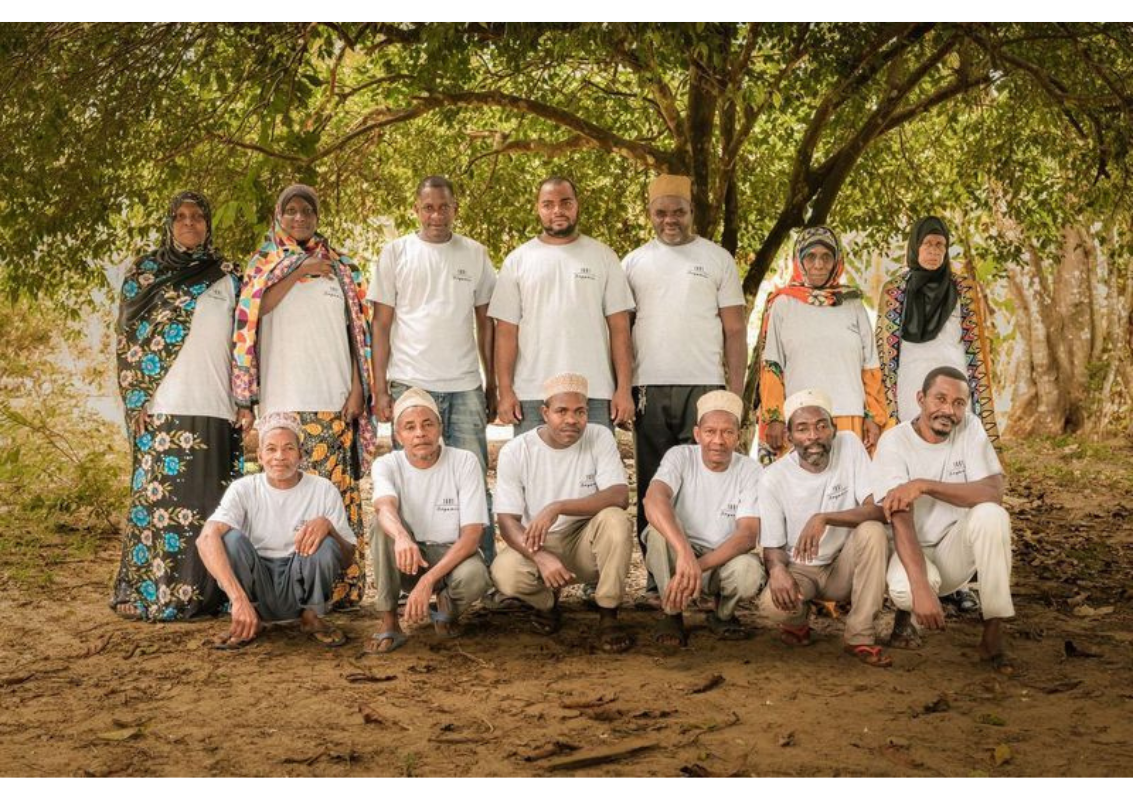
Sustainably grown pepper not only helps preserve biodiversity but also secures the livelihoods of smallholder farmers. At 1001 Organic, we source our spices directly from smallholder farmers in Zanzibar, where processing and packaging take place on site. Our focus is on strengthening the local economy and paying fair prices.
How do I find the best pepper for my kitchen?
Buying the best pepper is about more than just brand or price. Above all, it is about the sources and the cultivation. Here are some tips on how to choose the perfect pepper:
- Buy whole peppercorns: Whole peppercorns offer the best aroma. Grind them fresh to unlock their full potential.
- Pay attention to origin: Invest in locally grown and fairly traded products to support smallholder farmers and guarantee freshness.
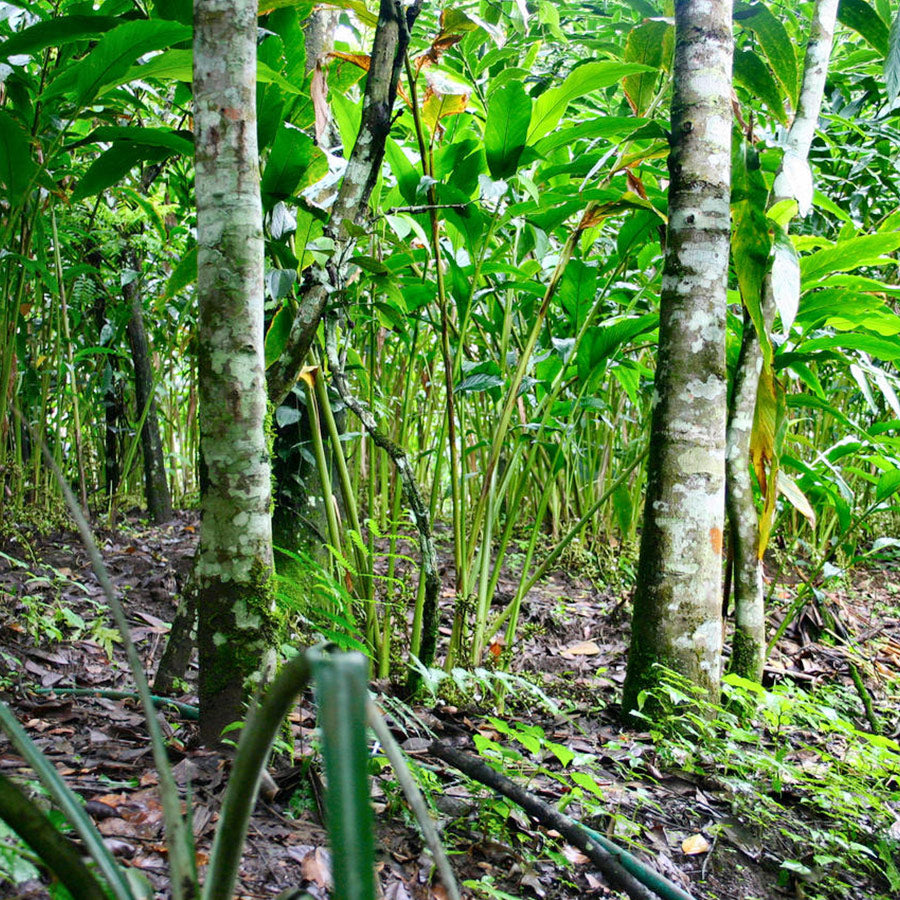
- Learn about farming methods: Choose varieties grown in mixed cultivation or agroforestry systems to protect the environment.
- Experiment in the kitchen: Try different varieties and find out which aromas give your dishes the perfect finishing touch.
Why 1001 Organic is the right supplier for pepper
At 1001 Organic, we are proud not only to offer high-quality spices but also to be transparent about where they come from. With every pack, we support smallholder farmers in Zanzibar and stand up for social justice and ecological responsibility. Our pepper products are not only delicious, they also tell the stories of the people who grow them.
Benefits of buying from 1001 Organic
- Maximum freshness: Our spices are processed and packed harvest-fresh.
- Fair prices: Transparent supply chains without middlemen allow us to pay fair prices.
- Social impact: With every purchase, you support smallholder farming families and create jobs in Zanzibar.
- Environmental awareness: We promote biodiversity and sustainable farming practices.
Enjoyment in the kitchen: recipe ideas with the best pepper
The versatility of pepper in the kitchen is endless. Here are some recipe ideas you can try with our first-class pepper:
Pepper steak with Tellicherry pepper
Prepare a tender steak and season it generously with freshly ground Tellicherry pepper. The fruity notes bring a new dimension to your grilled dish.
Vegetable curry with Malabar pepper
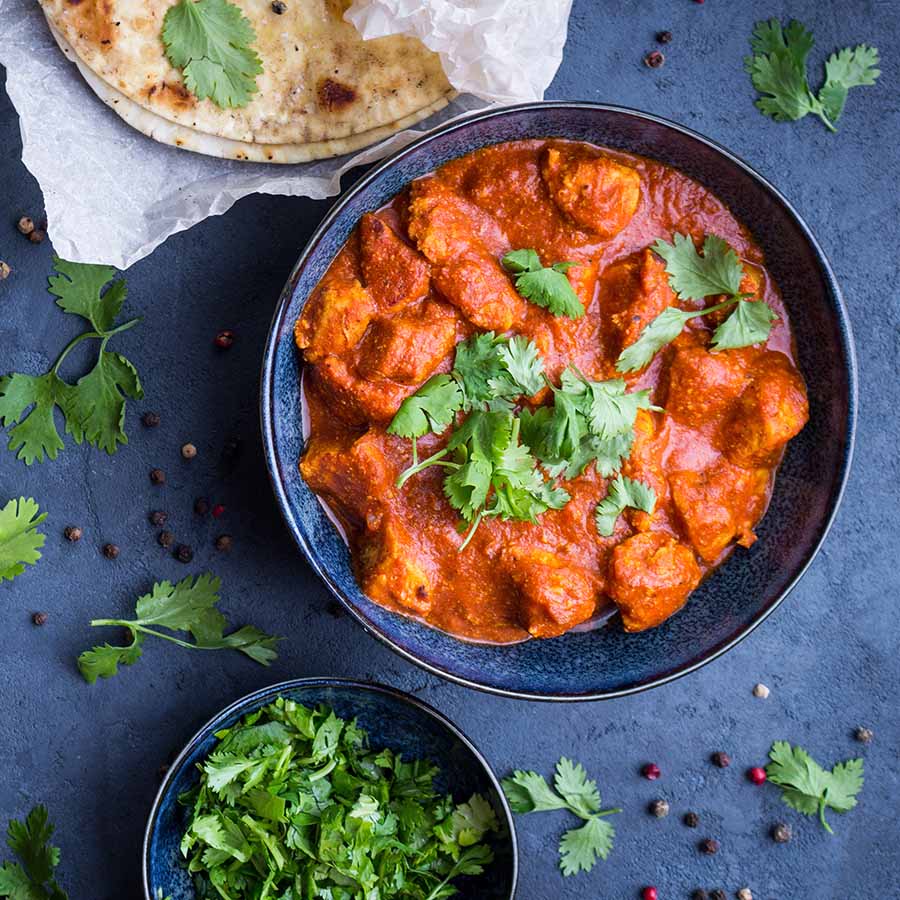
For an aromatic vegetable curry, use Malabar pepper, which gives your dish depth and heat. Freshly ground peppercorns are a must here!
Pepper salad with red pepper
A light salad with fresh vegetables and a dressing containing red pepper adds a fruity note. Try it to give your salads a special aroma.
FAQ about the best pepper in the world
What is the best pepper in the world?
The best pepper in the world is subjective, but often depends on the region, the harvest and the variety. Tellicherry pepper is frequently regarded as one of the best.
Where does the best pepper come from?
Many of the best pepper varieties come from India, especially Malabar and Tellicherry pepper. Kampot pepper from Cambodia and Lampong pepper from Indonesia are also popular options.
How is pepper harvested?
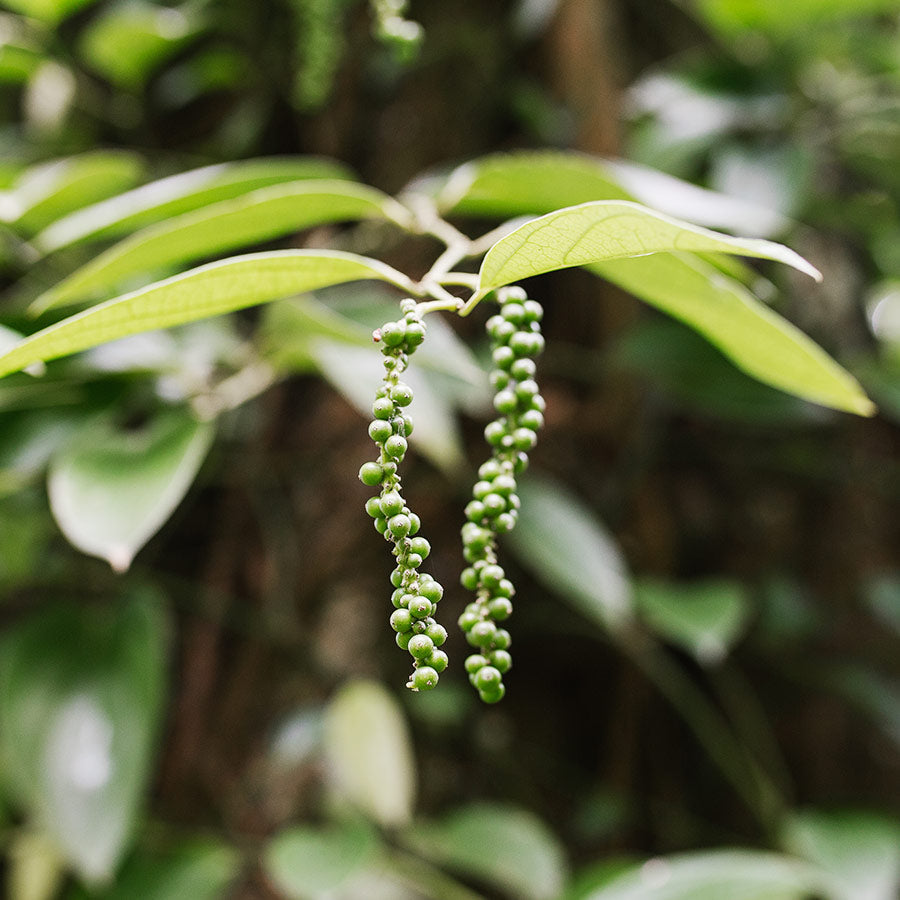
Pepper is usually hand-picked; the berries are green at first and are then either dried or used fresh. The type of harvest can have a considerable influence on the flavour.
Why is sustainable pepper important?
Sustainable pepper protects the environment, preserves biodiversity and supports the livelihoods of smallholder farming families. By buying sustainably grown pepper, you help improve living conditions.
How should I store good pepper?
Store peppercorns in a cool, dark place, ideally in light-proof, airtight containers to preserve their aroma.
How much does good pepper cost?
Prices for good pepper vary depending on quality and supplier. At 1001 Organic, we offer sustainable, fairly traded pepper at a reasonable price-performance ratio.
How can I recognise high-quality pepper?
High-quality pepper has a strong colour and an intense scent, and should be no more than 2–3 years old. Try it freshly ground; its aroma should be unmistakable.
How can I use pepper in the kitchen?
Pepper can be used in many ways – simply sprinkling it over vegetables, meat or even desserts can intensify the flavour and open up new dimensions.


Bestsellers

















Natural & Fair
• Sustainable farming practices
• Local communities
• Direct partnerships
• Effective value creation at the source of the spices
• Farm to Kitchen concept
• Protection of biodiversity
• Fair working conditions

