


Real vanilla is more than a coveted flavour – it embodies the luxury of nature, obtained through elaborate cultivation and processing techniques. Our vanilla comes directly from smallholder farmers on Zanzibar, where sustainability and fair trading practices go hand in hand.
What is real vanilla?
Botanical origin and plant
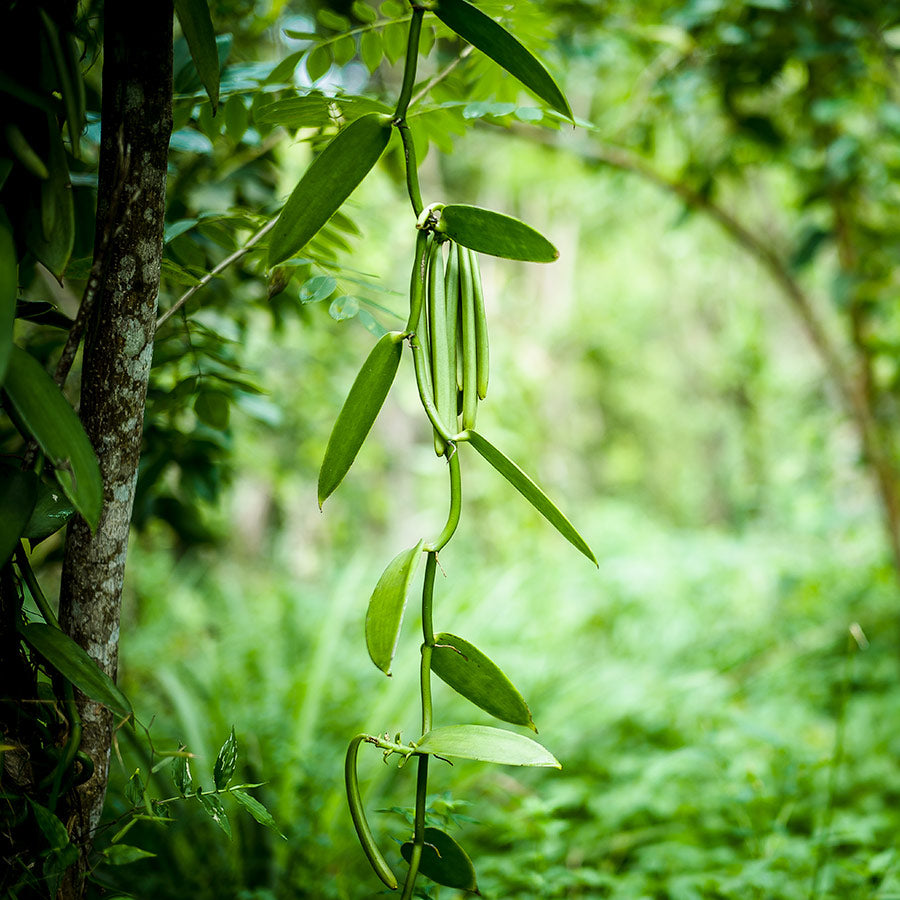
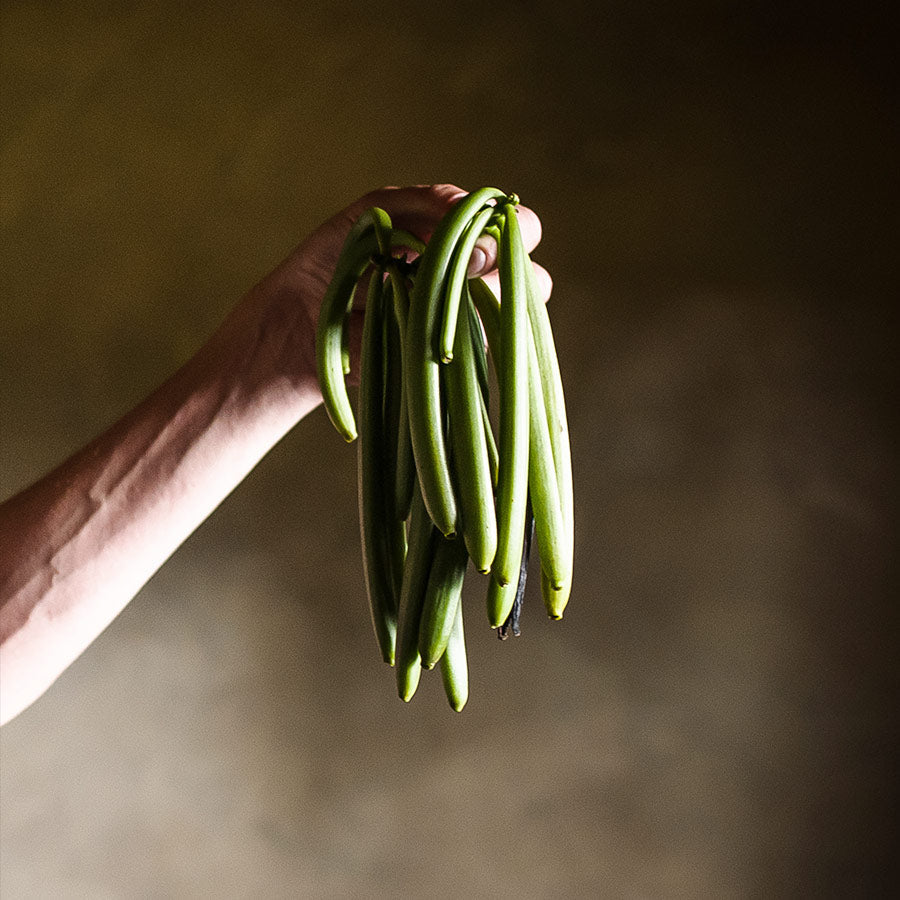
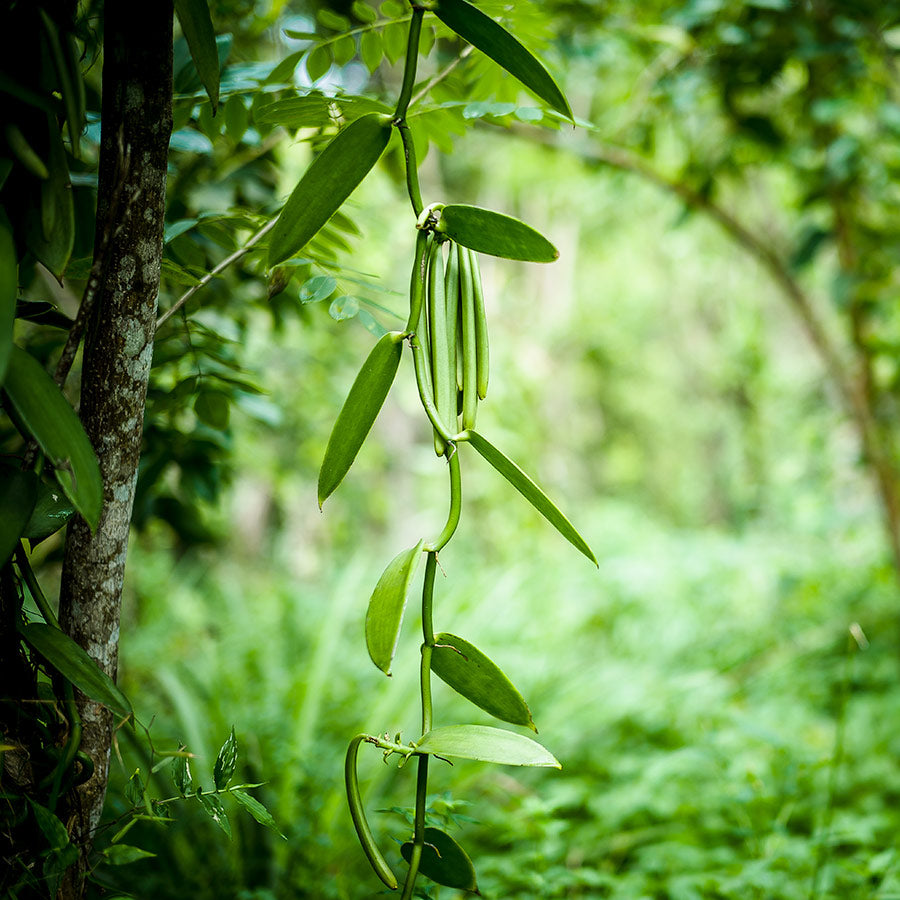
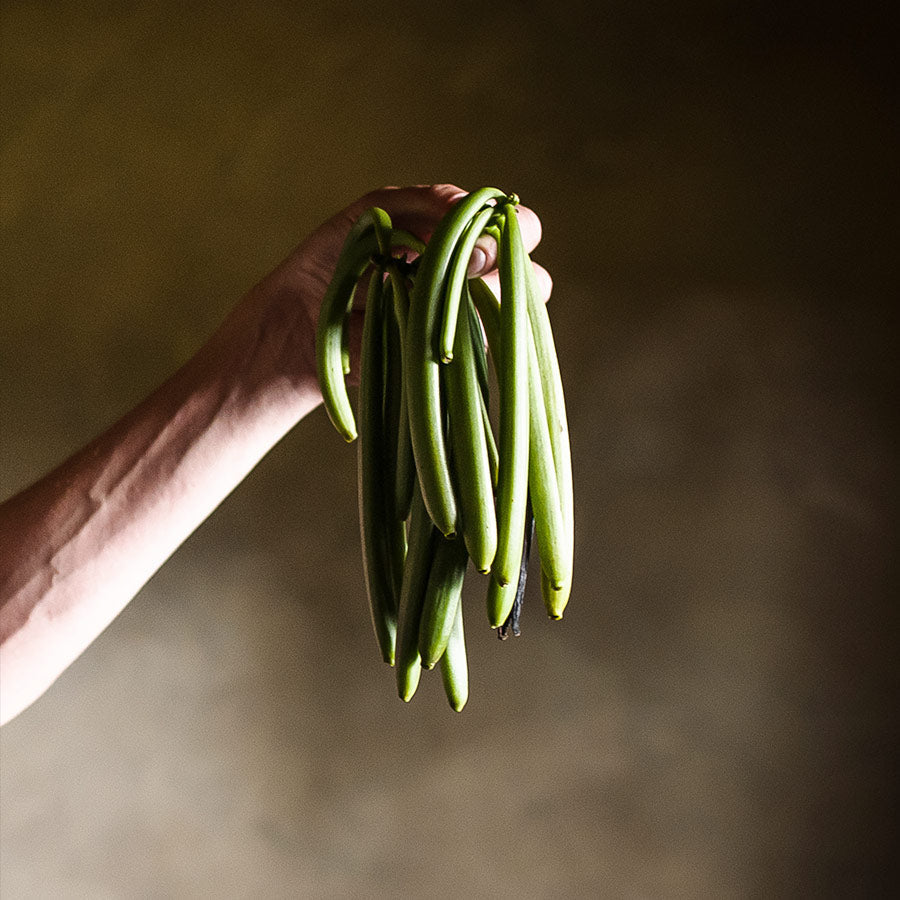
Real vanilla is obtained from the tropical climbing orchid Vanilla planifolia, which climbs up to several metres high. This plant has elongated, oval, fleshy, dark green leaves. The flowers are yellowish-green and open only briefly so that they can be pollinated. The fruits, which we know as vanilla pods, are long and green and turn dark brown to black after fermentation.
Main growing regions and origin
Real vanilla originally comes from Central America, where the Aztecs documented the first cultivation. Today, a large part of the world’s vanilla production takes place in tropical regions of the Indian Ocean, especially Madagascar and Indonesia, and in parts of the Caribbean, often in mixed forests or agroforestry systems where the vanilla grows up trees or supports.
Varieties and types of vanilla
There are different varieties of vanilla that differ by botanical species and origin. While spice vanilla, or “real” vanilla, is the most common flavour, there are also other vanilla species with different flavour profiles. These range from fine, subtle notes to floral and fruity aromas.
Elaborate harvesting and processing
Pollination and flowering
In many growing regions, vanilla flowers are pollinated by hand, as each flower is open only for a short time. This painstaking manual work is the main reason for the high price of real vanilla.
Harvesting the pods
The harvest takes place when the green capsules turn slightly yellowish. The pods are picked by hand so as not to damage the delicate fruits.
Fermentation and drying
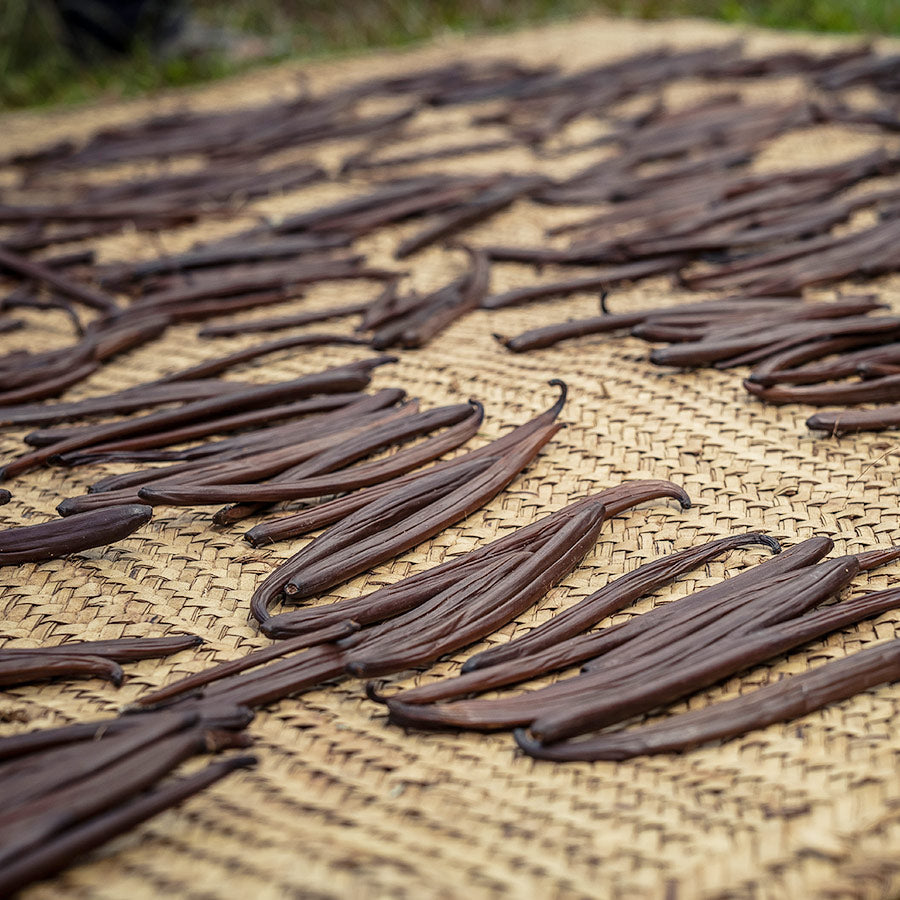
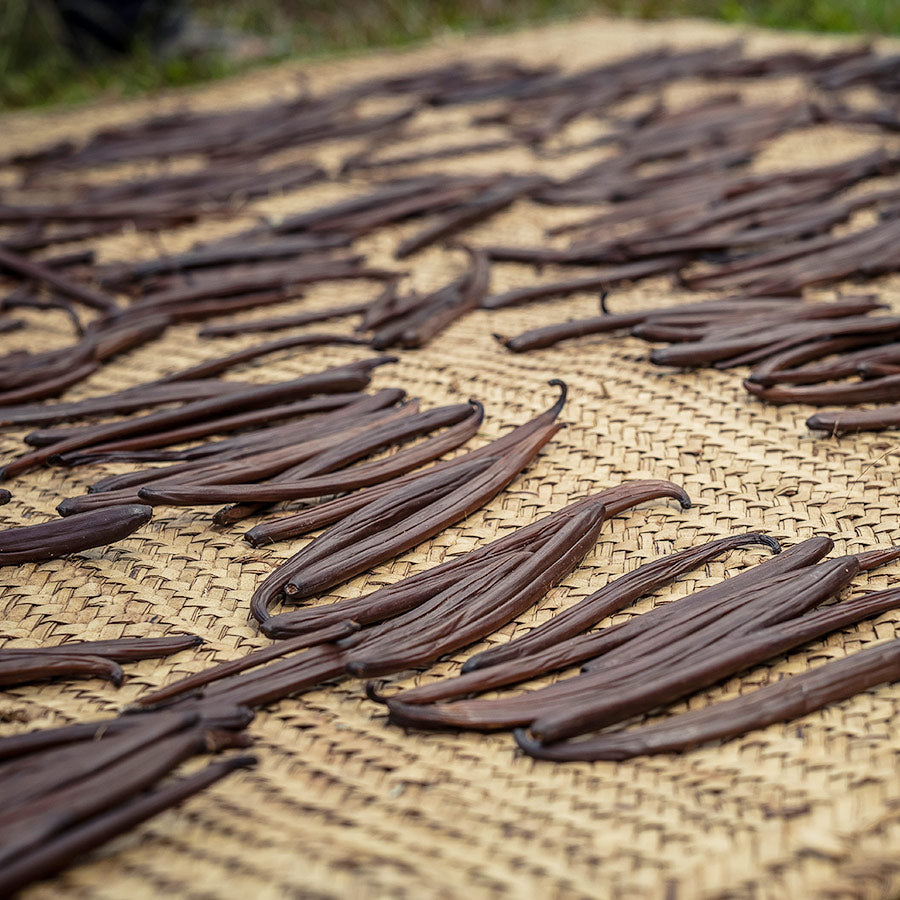
After harvesting, the pods are treated thoroughly by scalding or other pre-treatment. This is followed by several weeks of fermentation and drying. This process transforms the green pods into dark brown, leathery, flexible fruits that develop their characteristic and complex vanilla aroma.
Reasons for the high price
The elaborate hand pollination, manual harvest and long fermentation process with many risks, such as weather conditions and mould, are the main reasons for the high price of real vanilla. In addition, global production is small, in contrast to high demand.
Ingredients and aroma of real vanilla
Vanillin as the key aroma compound
Vanillin is the most important aroma compound in vanilla and shapes both its smell and taste. In cured pods, the vanillin content is usually around 1.5–3 percent.
Other ingredients
Vanilla pods contain over 200 accompanying substances that shape their deep aroma. These include vanillyl alcohol, various esters, organic acids and essential oils. They are also rich in natural sugars, enzymes and mucilage, which contribute to the roundness of the taste.
Complex aroma
The aroma of real vanilla is characteristically warm, sweetish and delicately spicy. A wide range of flavour notes can often be perceived, including cream, caramel and subtle roasted notes.
Real vanilla vs. vanillin and flavourings
The difference between vanilla and vanillin
Real vanilla refers to the entire spice from the fermented pods, while vanillin is just one of many aroma compounds. This often leads to misunderstandings about the quality of the flavour.
Natural and synthetic sources of vanillin
Natural vanillin can be obtained directly from vanilla pods or produced biotechnologically from other natural raw materials. Synthetic vanillin, on the other hand, is produced chemically from base materials such as by-products of the pulp industry.
Labelling of flavourings
The requirements for labelling flavourings are strict. “Vanilla extract” refers to a flavouring extracted from vanilla pods with alcohol, while “natural vanilla flavouring” must come at least 95 percent from real vanilla. By contrast, “vanilla flavouring” may contain synthetic vanillin.
Sensory difference in taste
Real vanilla has a multi-layered, rounded aroma that many consumers describe as more natural and harmonious. By comparison, synthetic vanillin is often perceived as more intense and one-dimensional.
Quality features of real vanilla
Appearance and feel of the pods
High-quality real vanilla is dark brown to black, slightly glossy and leathery, yet flexible. Plump, flexible pods with a moist, non-brittle surface are considered particularly high quality.
Fragrance and aroma
Even before the pod is cut open, a clear, natural vanilla fragrance can be perceived. When the pod is opened, an intense, multi-layered fragrance unfolds.
Typical commercial forms
- Whole pods
- Ground vanilla pod
- Vanilla extract
- Vanilla paste
Recognising real vanilla in food
Check the ingredients list
To recognise real vanilla, look at the ingredients list of products. Indications of real vanilla are “ground vanilla pods”, “vanilla extract” and “natural vanilla flavouring”. Terms such as “vanilla flavouring” or “vanillin flavouring”, on the other hand, point to a predominantly artificial taste.
Typical products with real vanilla
- Desserts and pâtisserie such as creams, puddings, ice cream
- Baked goods with visible black specks in the dough
- High-quality confectionery and drinks that declare “vanilla extract” or “ground vanilla pod”
Common deceptions and grey areas
Pictures of pods are often used on packaging even though only flavouring or synthetic vanillin is contained. It can also be tricky when small amounts of ground pod with no significant aroma are added to suggest “real vanilla”.
Using real vanilla in the kitchen
Basic techniques
Split the pod lengthways and scrape out the seeds with a knife. These can be cooked or infused together with the pod. After cooking, the pod can be dried and used to make flavoured sugar.
Classic sweet uses
- Creams, puddings, flans and mousses
- Cakes, biscuits and fine pastries
- Fruit preserves, compotes and jams
- Sweet dishes with milk or plant-based alternatives
Savoury and creative uses
Real vanilla can also be used in mild curries or spice blends together with other ingredients to achieve special depths of flavour. Combinations with seafood or light sauces add a delicate, sweetish accent.
Homemade vanilla products
- Vanilla sugar: Store sugar and scraped-out pods in a tightly sealed container and shake regularly.
- Flavoured milk or cream mixtures for desserts or hot drinks.
Sustainability, fairness and supply chain
Labour-intensive cultivation
Growing real vanilla is very labour-intensive. From pollination to fermentation, the craftsmanship of smallholder farmers is crucial. This dependence on regional climatic conditions can lead to price fluctuations and economic risks.
The role of smallholder farmers
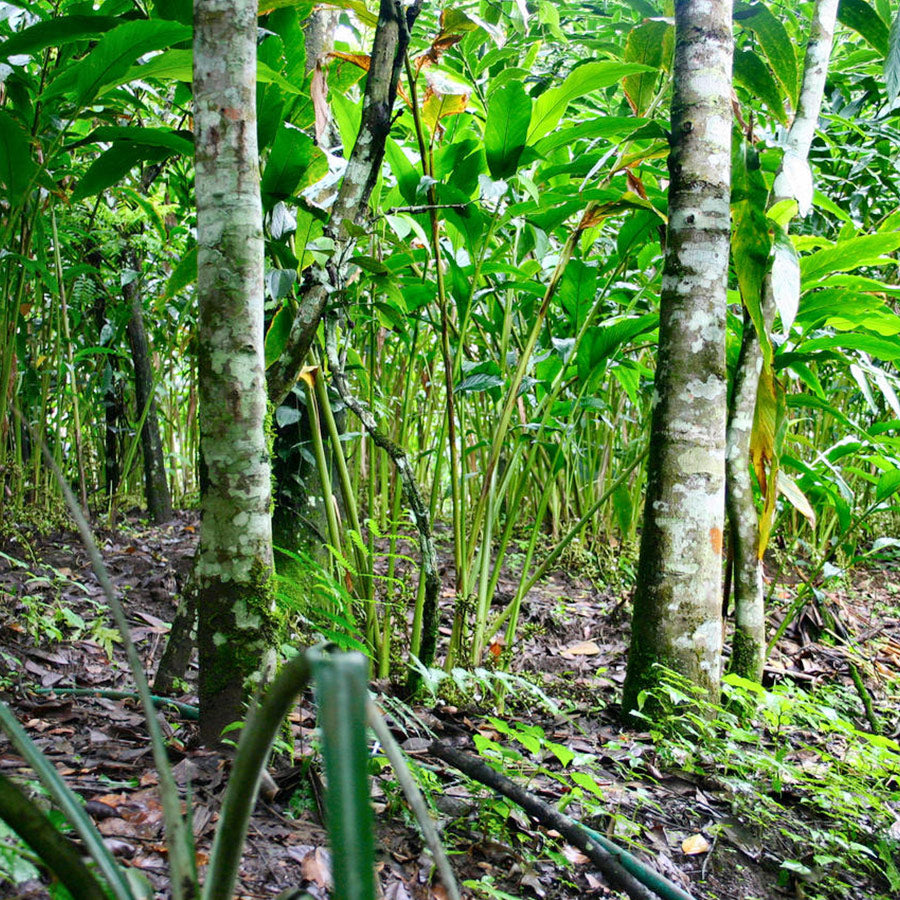
Vanilla is often grown in smallholder structures in tropical regions. Mixed systems in which vanilla is grown alongside other crops contribute to diversity and yield security.
Transparent supply chains and fair prices
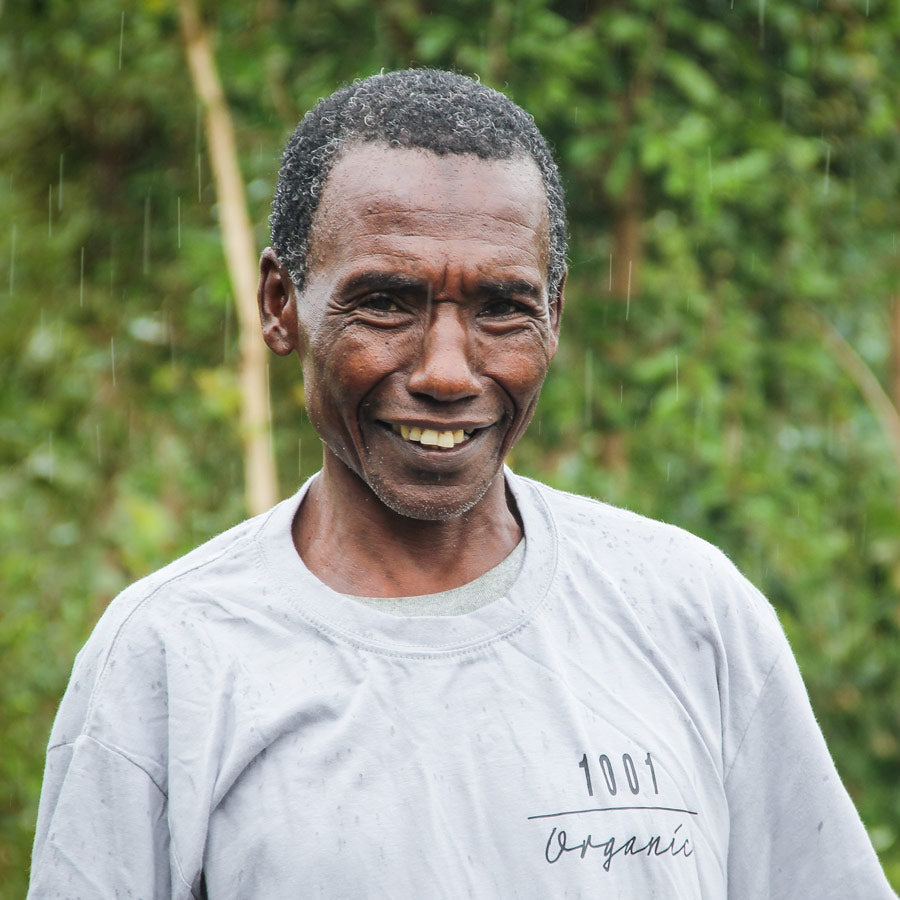
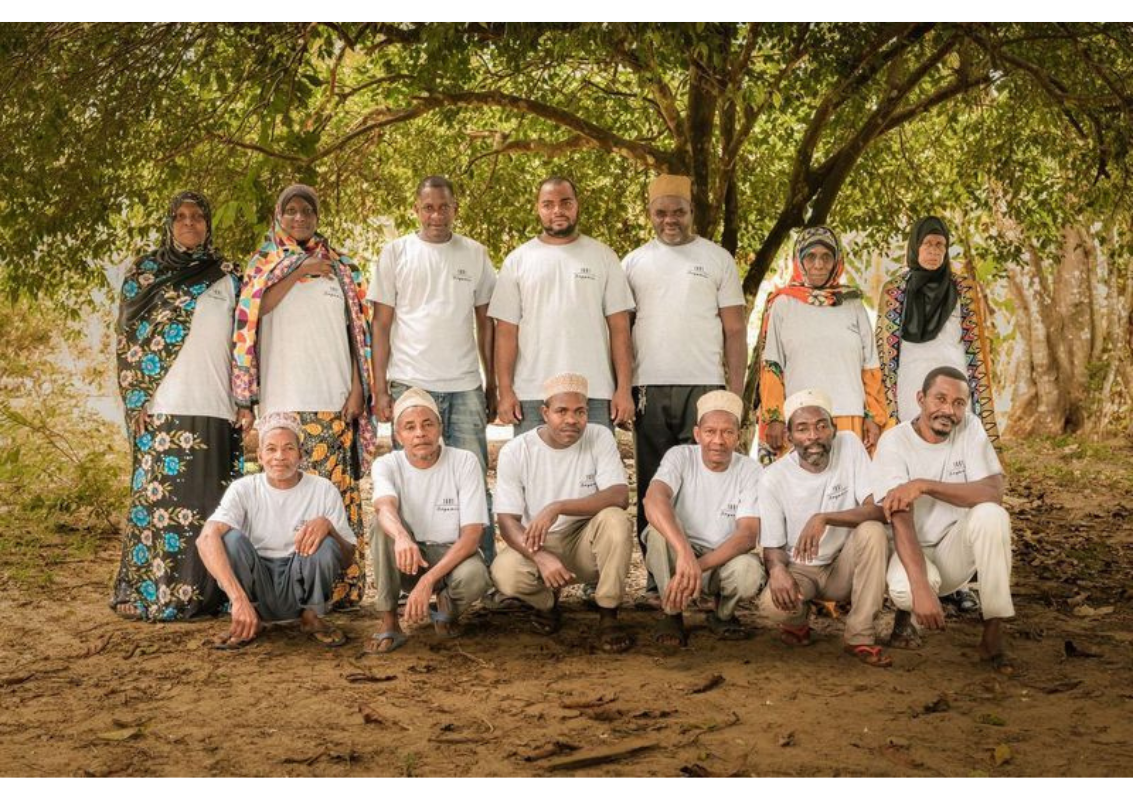
With 1001 Organic, we not only experiment with sustainable farming practices but also create an important economic foundation for smallholder farmers, who receive fair prices for their harvest. Our direct trading system with the farmers ensures that they receive a fair share of the proceeds from the sale of real vanilla.
Why choose real vanilla from 1001 Organic?
With every purchase of real vanilla from Zanzibar at 1001 Organic, you not only support local smallholder farmers but also enjoy incomparable freshness and quality. Our short supply chains guarantee you a product that goes straight from the field to your kitchen – with a deep-rooted commitment to social and ecological responsibility.
Conclusion: enjoyment with responsibility
Real vanilla is more than a simple flavour. It is a story full of work, passion and responsibility. With 1001 Organic, you not only conjure up unmistakable aromas in your kitchen, you also give the smallholder farmers of Zanzibar the place they deserve. Because every moment of enjoyment is also a contribution to a better world.
FAQ
What makes real vanilla so special?
Real vanilla stands out for its complex taste and the large number of accompanying substances that give it an unmistakable aroma. Unlike synthetic flavourings, careful harvesting and processing ensure an exquisite taste experience.
How can you recognise real vanilla in food?
Check the ingredients list: products containing “ground vanilla pods”, “vanilla extract” or “natural vanilla flavouring” indicate real vanilla. Avoid products with “vanilla flavouring”, which often contains synthetic vanillin.
Why is real vanilla so expensive?
The elaborate hand pollination, manual harvest and long fermentation process are costly. In addition, global production of real vanilla is limited, which makes it rare and coveted.
How should real vanilla be used in the kitchen?
Split the pod lengthways and scrape out the seeds. You can use these together with the pod when cooking. The pod itself can also be dried and reused, for example to flavour sugar.
Where does 1001 Organic’s real vanilla come from?
1001 Organic’s real vanilla comes directly from smallholder farmers on Zanzibar. Through direct trade and local processing, we ensure quality and freshness and support the local economy.
Why should I buy real vanilla from Zanzibar?
At 1001 Organic, every vanilla pod you buy guarantees not only the greatest enjoyment but also fair pay for smallholder farmers. The purchase also strengthens the local economy and promotes sustainable farming practices.
How should real vanilla be stored?
To preserve the freshness and aroma of real vanilla, it should be kept in a cool, dark place in an airtight container. Avoid prolonged sunlight and moisture.
Can I grow vanilla myself?
Yes, real vanilla can also be grown at home under the right climatic conditions. You need a warm, humid climate and should pay attention to proper care and hand pollination of the plants.
How does real vanilla differ from vanillin?
Real vanilla consists of the whole spice and offers a complex flavour profile, while vanillin is just a single aroma compound. Vanillin can also be obtained synthetically or from other natural sources, which makes a considerable difference in taste.


Bestsellers
















Natural & Fair
• Sustainable farming practices
• Local communities
• Direct partnerships
• Effective value creation at the source of the spices
• Farm to Kitchen concept
• Protection of biodiversity
• Fair working conditions

