

7 products







Exotic spices not only bring unique aromas to our kitchens, they also tell stories of their origins, the people who grow them and the sustainability of their production. These spices enrich our dishes while contributing to social and environmental improvements.
What are exotic spices?
Definition and scope
Exotic spices are spices that come from distant regions and are often used less in our everyday cooking. They are frequently linked to particular national cuisines, such as Arabic, Indian, Asian, African or Latin American cuisine. The better-known spices include classics such as pepper and paprika, while lesser-known varieties such as sumac or tonka bean are considered exotic.
Classification by plant part
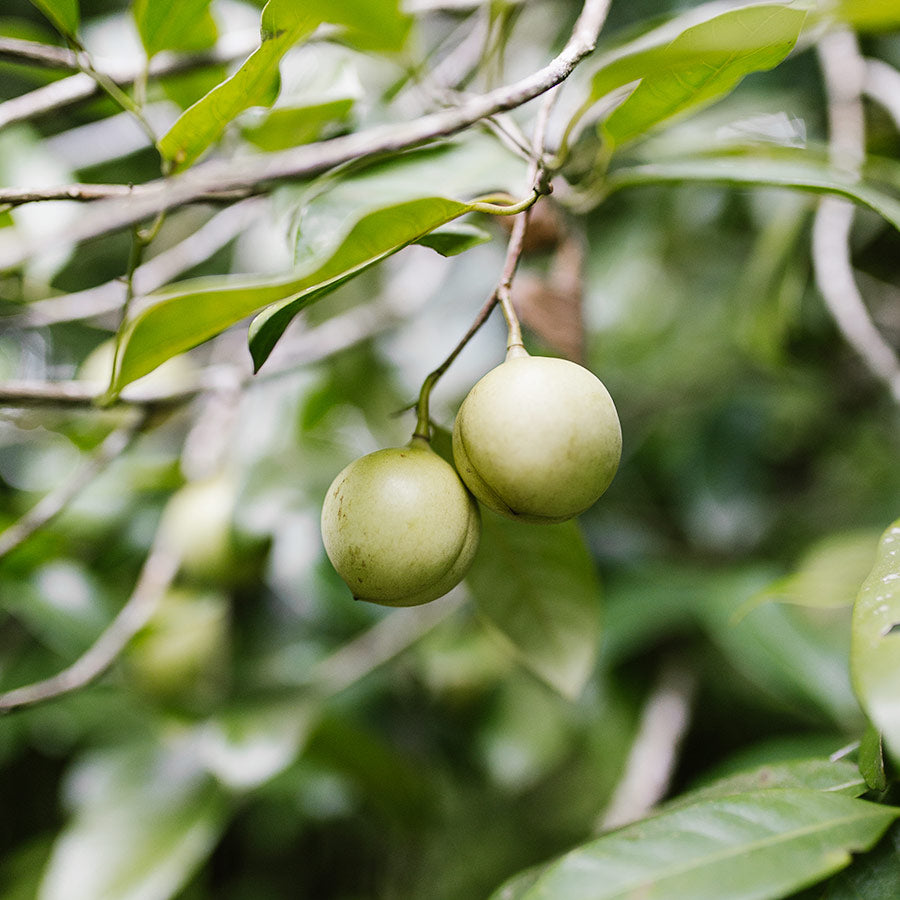
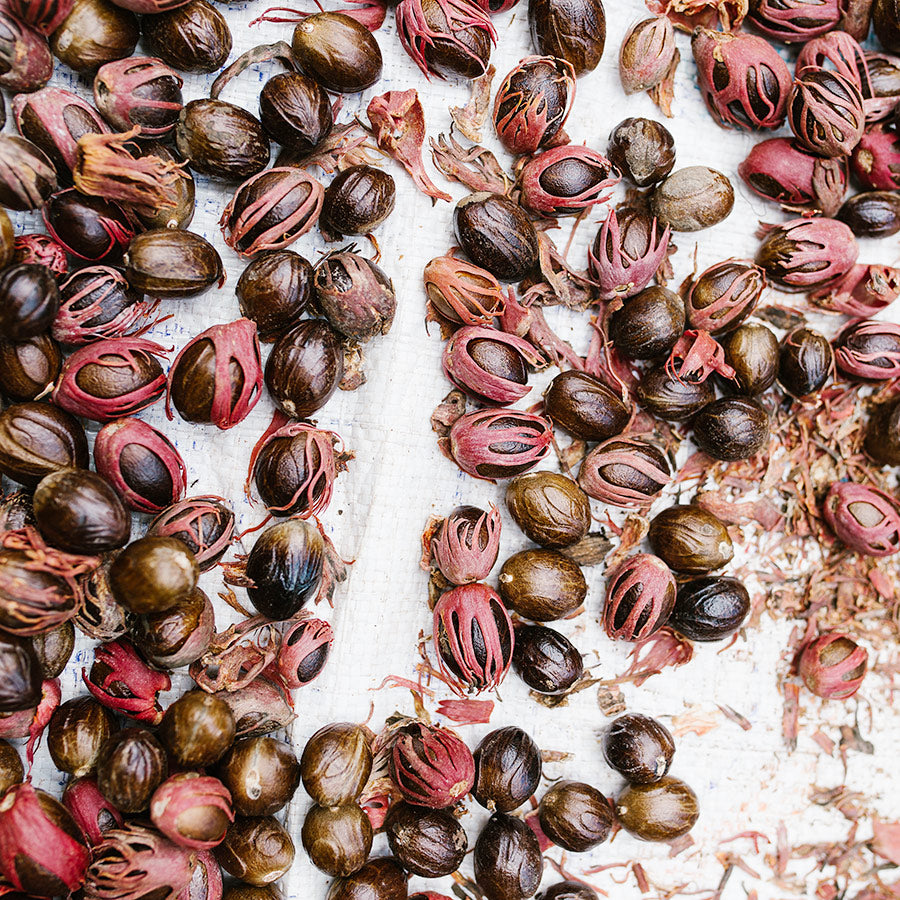
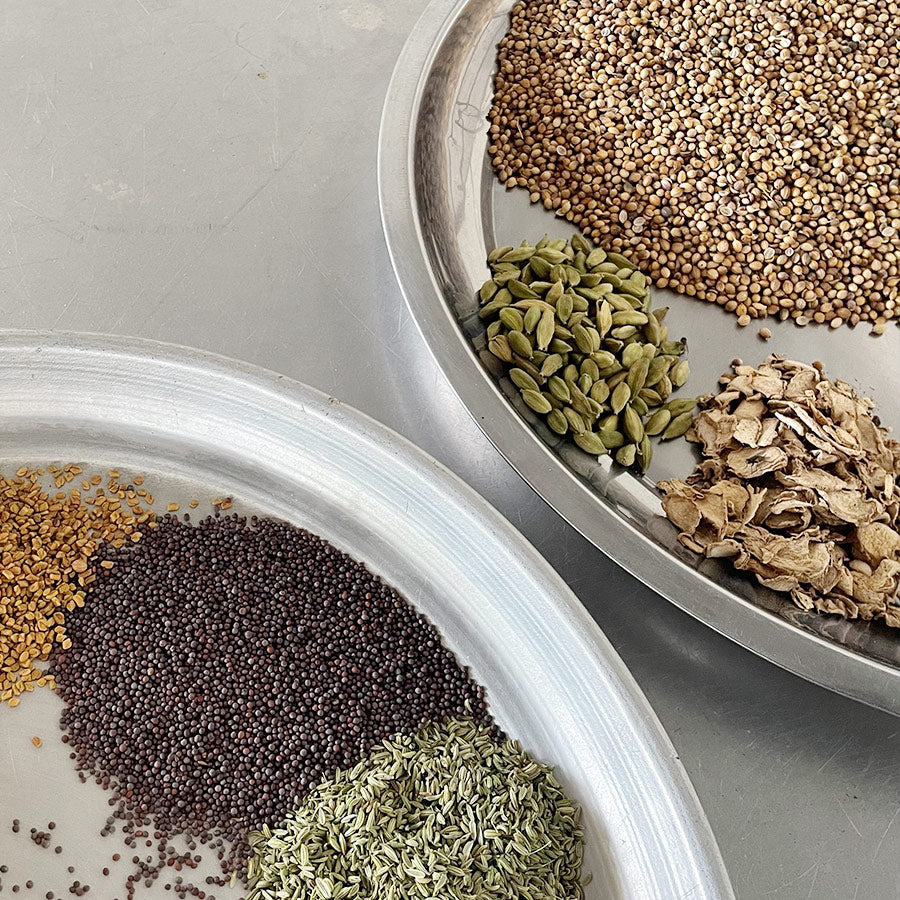
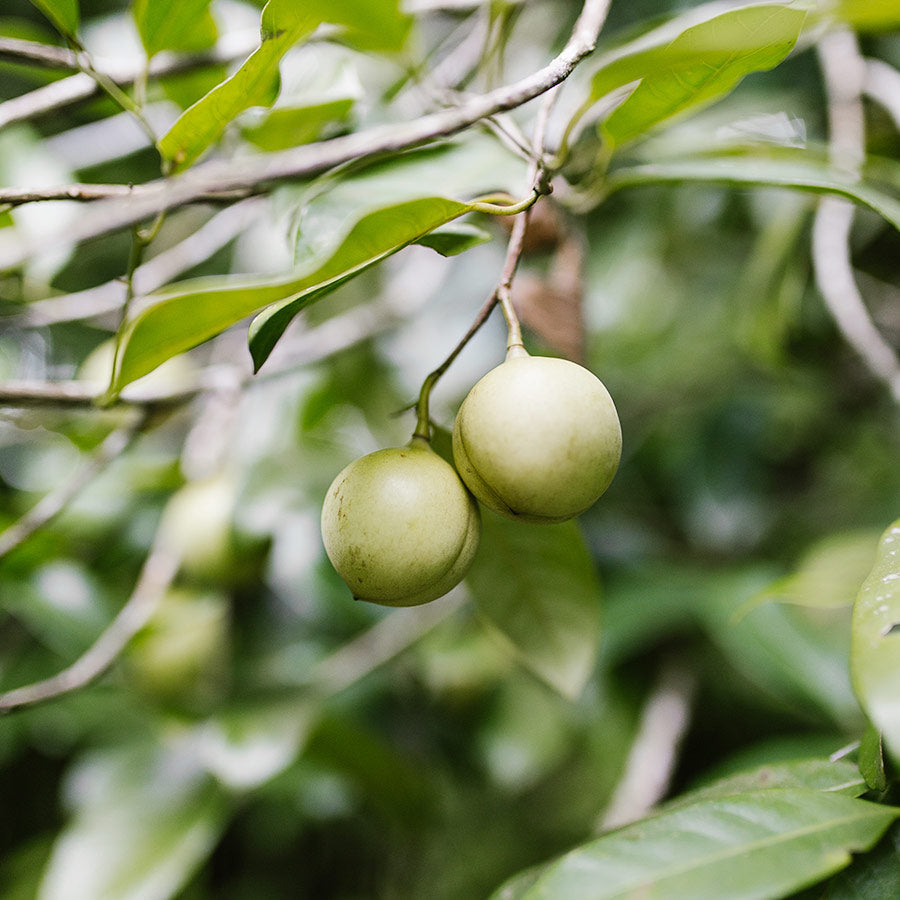
- Fruit and seed spices: e.g. cardamom, nutmeg, pepper, coriander.
- Flower spices: e.g. cloves, saffron.
- Leaf and herb spices: e.g. basil, oregano, thyme.
- Bark spices: e.g. cinnamon.
- Root and rhizome spices: e.g. ginger, turmeric, galangal.
- Bulb spices: e.g. garlic.
The origins of exotic spices
The origin of a spice is often closely linked to the culture and history of the region where it grows. These connections shape not only the flavour but also the way the spices are used in the kitchen.
Spices from the Mediterranean
Typical spices from this region are anise, coriander, lavender and oregano. They are often used in Mediterranean herb blends and find their place in lamb and fish dishes, vegetable dishes and pasta.
Spices from Western and Central Asia
Dill, tarragon, bay leaf and poppy seed are some examples of spices from this region. They are frequently used in stews, braised dishes and pickled vegetables.
Spices from South and Southeast Asia
This region is particularly known for its spice-rich cuisine. Well-known spices such as basil, cardamom and cinnamon are often used in curries and masalas, which are prized for their complex aromas.
African spices
Spices such as chilli, coriander and cumin are central to African cuisine. They often appear in blends such as ras el hanout and harissa, which are used in tagines and couscous dishes.
Spices from Latin America
Chilli powder and paprika in their many varieties are essential to numerous traditional dishes. They complement many braised and rice dishes of Latin American cuisine.
Important exotic single spices
Saffron
Saffron, one of the most precious spices in the world, is obtained from the stigmas of the saffron crocus. With its intense flavour and vibrant colour, it brings a special touch to dishes.
Vanilla
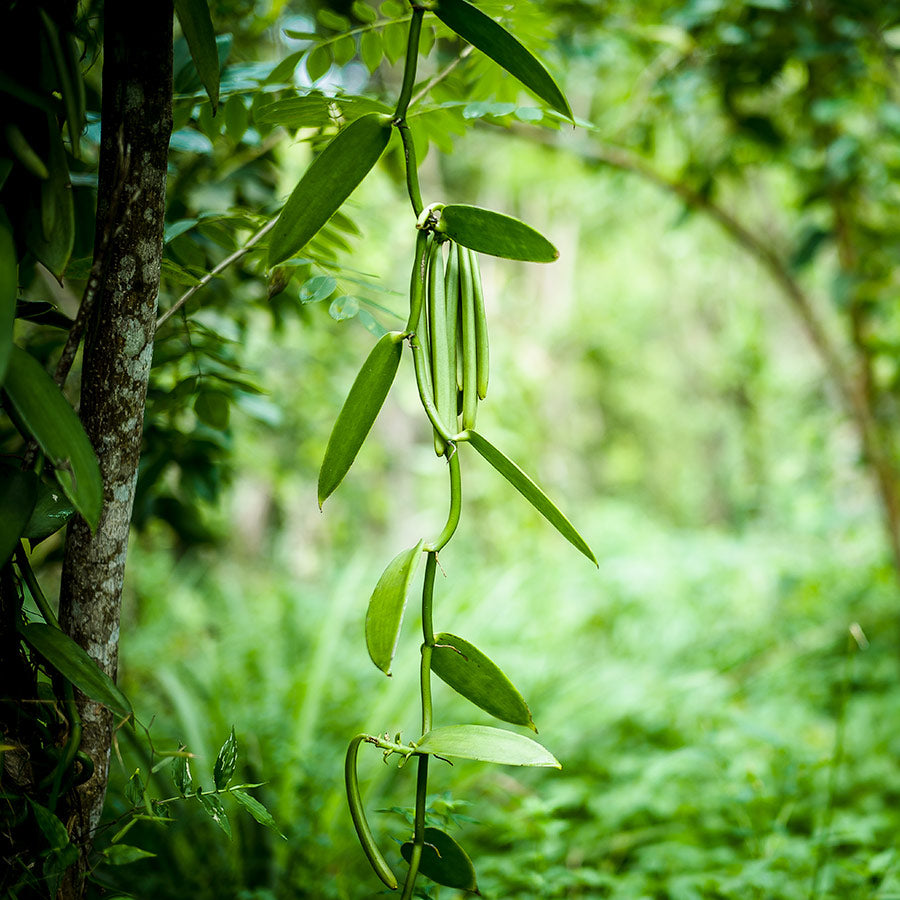
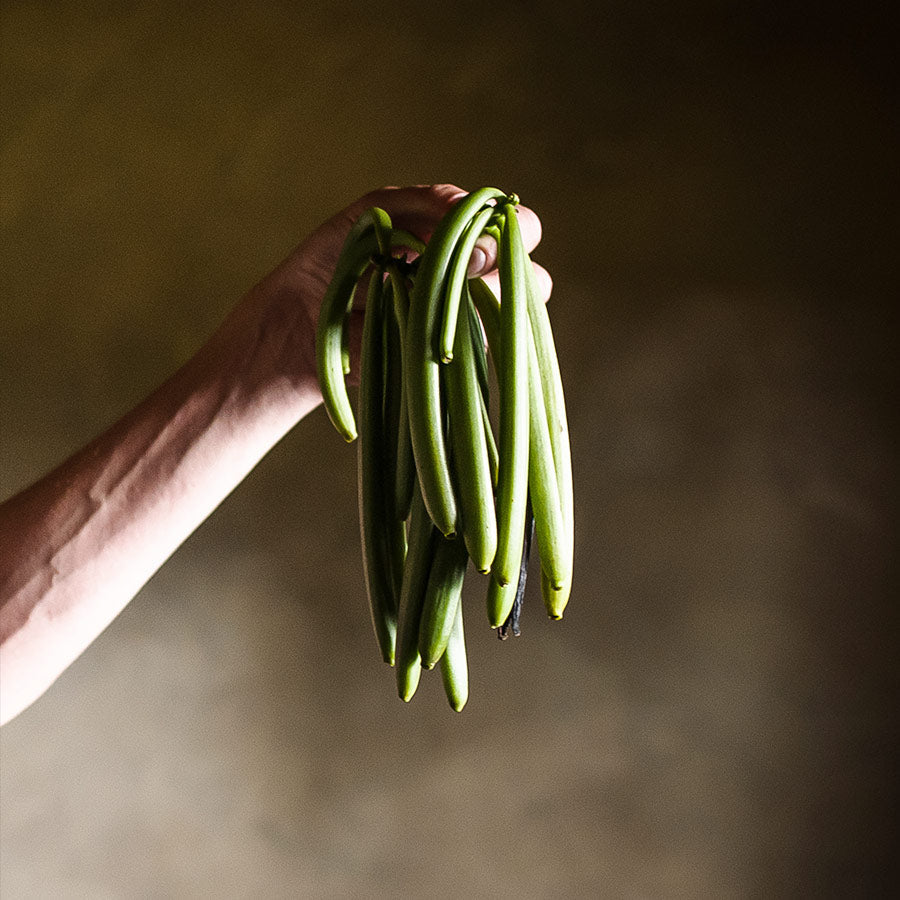
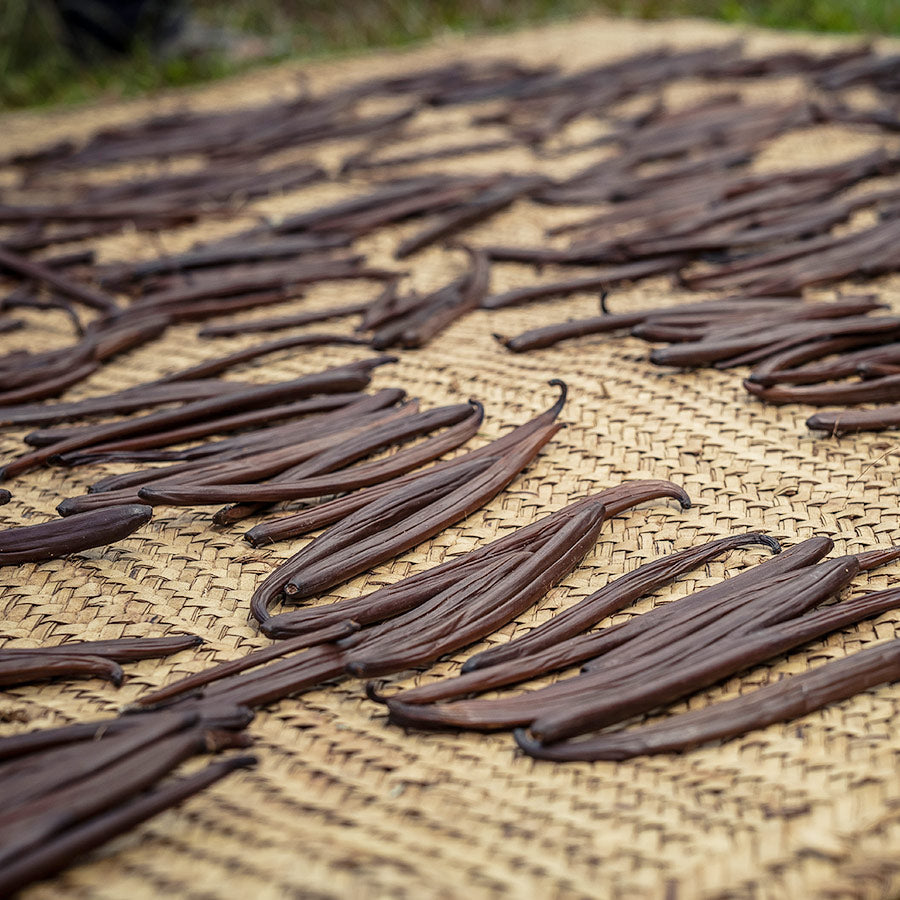
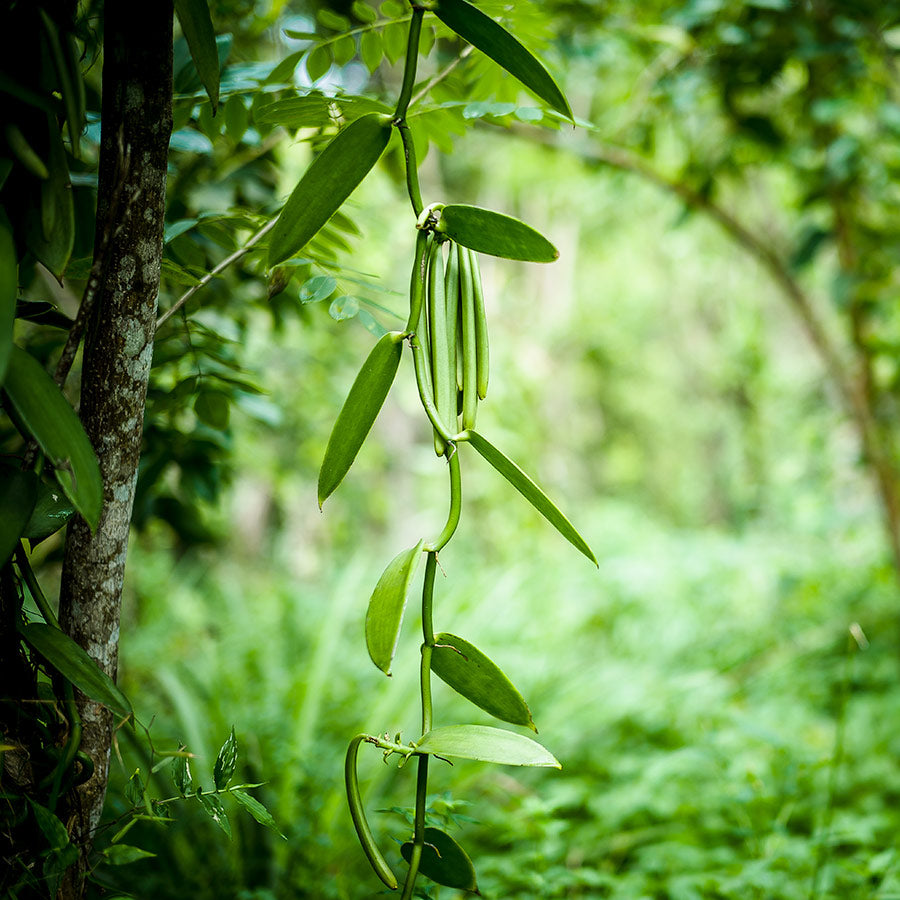
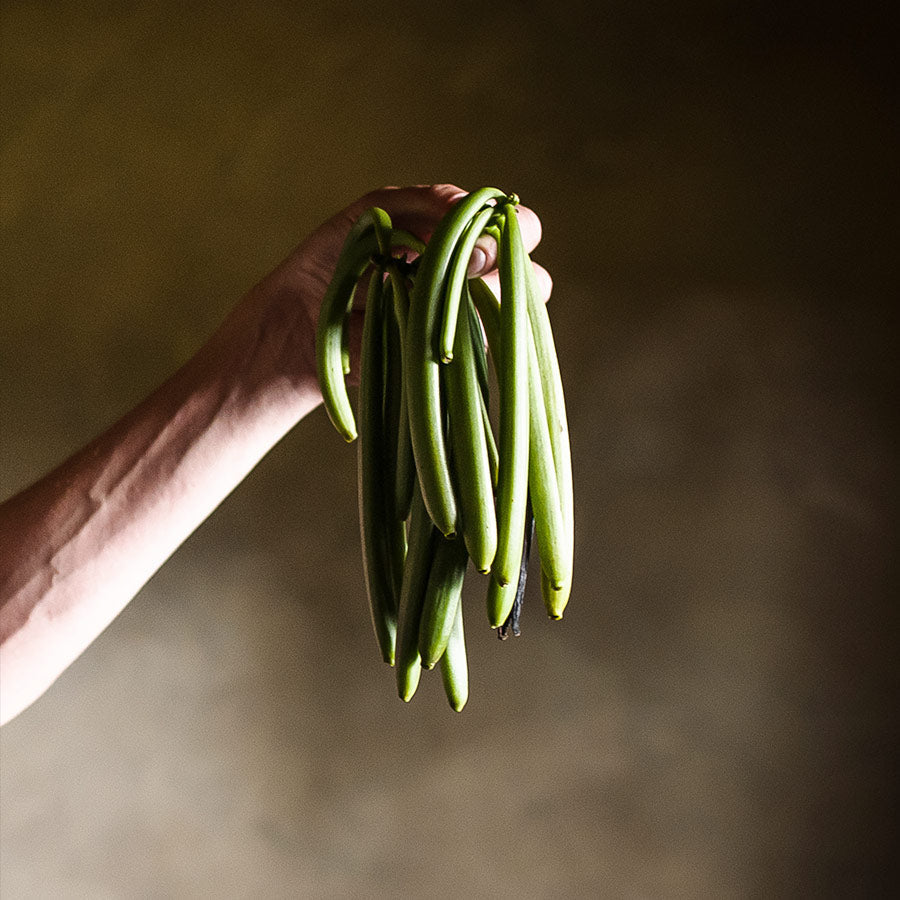
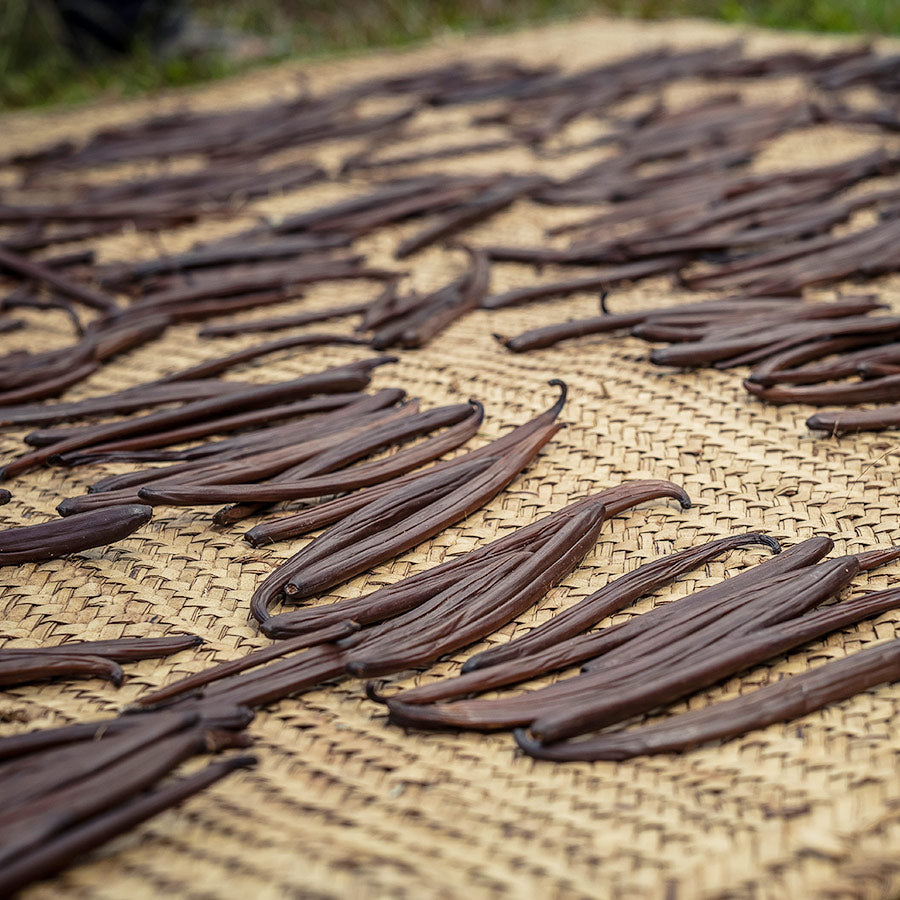
Obtained from the fermented pods of the climbing orchid, vanilla offers a floral, spicy aroma that is used in desserts and also in refined sauces for fish.
Cardamom
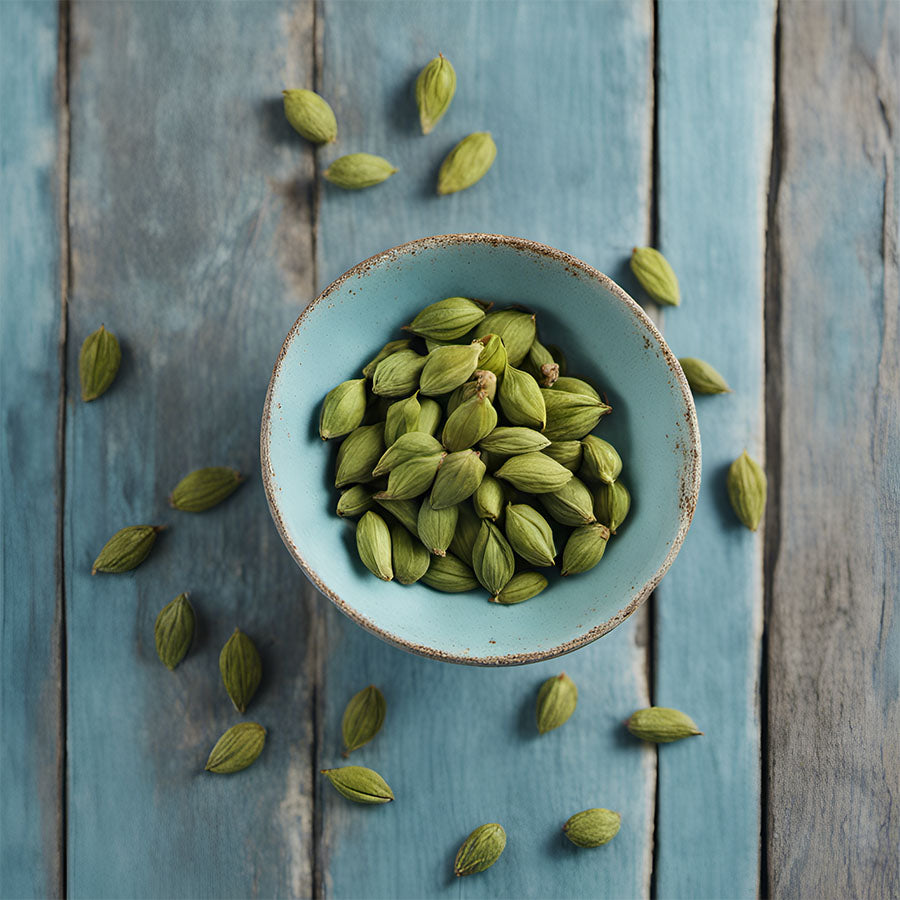
Cardamom is one of the oldest spices and impresses with its unique flavour profiles. It is often used in rice dishes and curries, giving them aromatic depth.
Ginger
Ginger is a rhizome spice that stands out with its fresh heat and warm spiciness. It is indispensable in a wide range of Asian dishes and drinks.
Turmeric
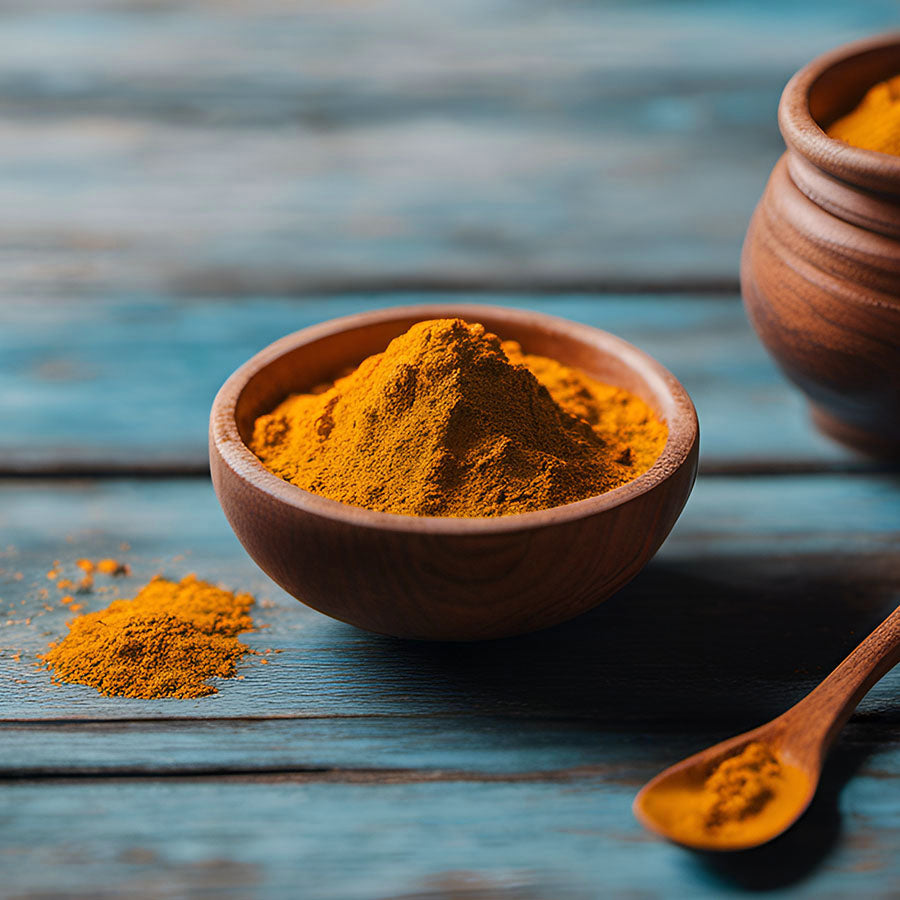
Turmeric is known for its bright yellow colour and earthy, warm aroma. It is part of many curry blends and is regularly used in vegetable stir-fries.
Galangal
Galangal is a hot, lemony, spicy root that brings a special depth to Asian soups and curries.
Sumac
Made from dried, ground fruits, this spice has a fruity, tangy aroma. It goes perfectly with meat, fish and in salads.
Tonka bean
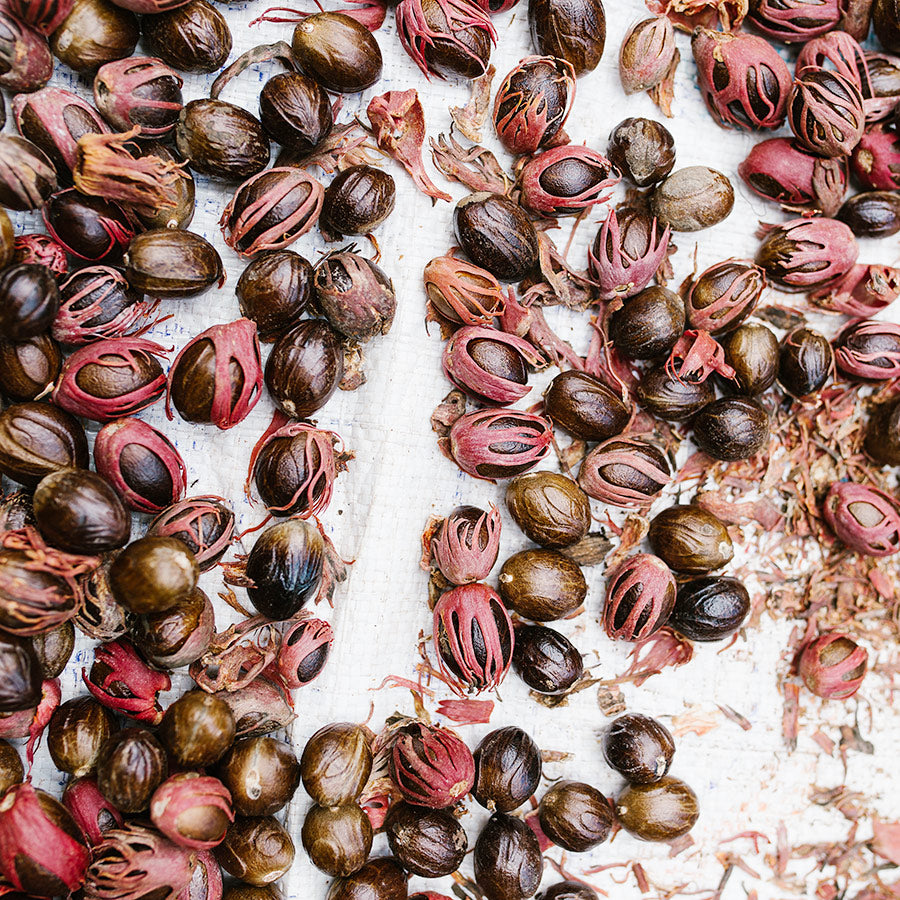
The tonka bean has a sweet, spicy aroma and is used in desserts and chocolates with a refined and unique taste.
Black garlic
Slow fermentation gives this garlic a mild sweetness and a balsamic note that impresses in sauces and fine dishes.
Pepper
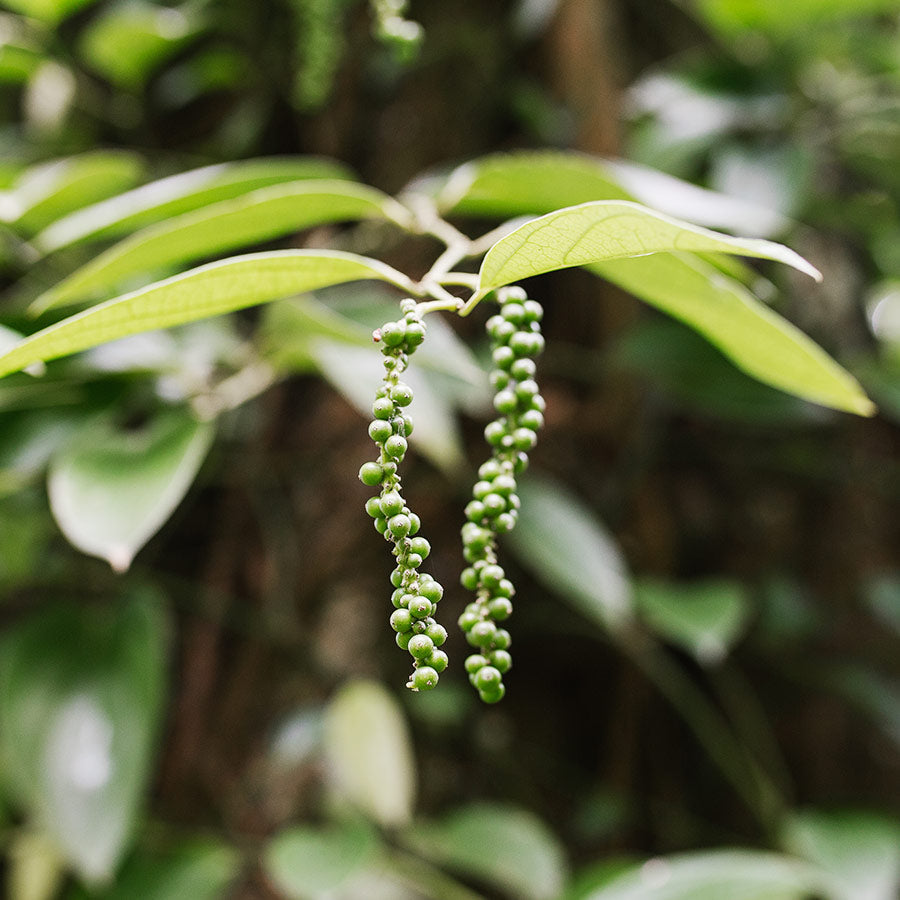
Whether black, white or green pepper, these spices are universally versatile and enrich both meat and vegetable dishes.
Exotic spice blends from around the world
Arabic and North African blends
Ras el hanout
This multi-layered blend combines numerous single spices, including pepper, coriander and cumin. It is used in tagines and stews.
Harissa
A hot blend of chilli and spices often found in North African cuisine, excellent for stews and grilled dishes.
Baharat
This aromatic blend of various spices gives meat dishes wonderful depth and complexity.
Za'atar
Za'atar is not only a herb but also a blend used widely in Arabic cuisine. It is often used in dips and as a seasoning for meat.
Indian and South Asian blends
Curry
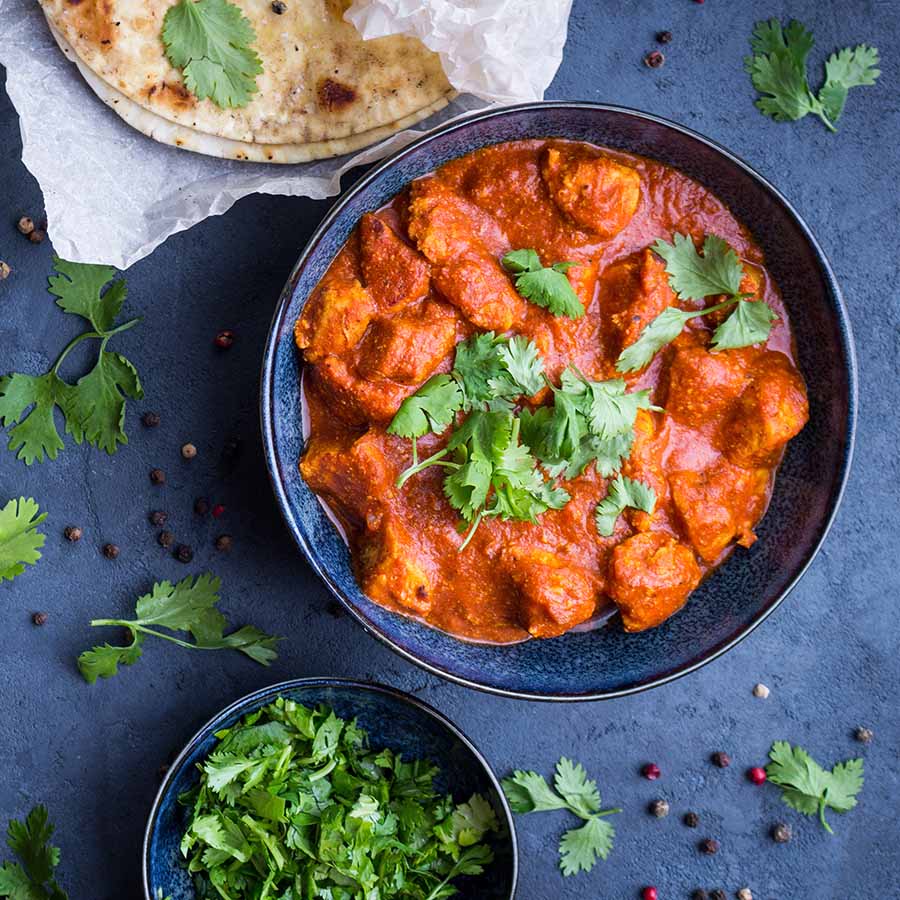
The umbrella term for a wide range of spice blends that give Indian dishes incomparable aromas.
Garam masala
A fundamental spice blend used in many Indian recipes that gives dishes their characteristic aroma.
Exotic blends from African cuisine
Berbere
This hot blend forms the flavour foundation of many Ethiopian stews and offers an impressive variety of aromas.
Typical uses of exotic spices
Meat and fish dishes
Exotic spices give lamb and beef dishes, often prepared with blends such as ras el hanout or baharat, an unmistakable flavour. Fish dishes also benefit from spices such as saffron or coriander.
Vegetarian and vegan cooking
In vegetarian and vegan cooking, spices such as turmeric and ginger make the difference. They provide variety and depth of flavour in vegetable stir-fries and pulse dishes.
Baking and desserts
Exotic spices also play a role in the world of desserts! Vanilla and cinnamon give numerous baked goods a special touch.
Sustainability and social responsibility
When using exotic spices, it is important to also consider sustainability and production conditions. 1001 Organic is committed to fair value creation that not only respects people and nature but also guarantees the quality of the products.
Direct trade with smallholder farmers
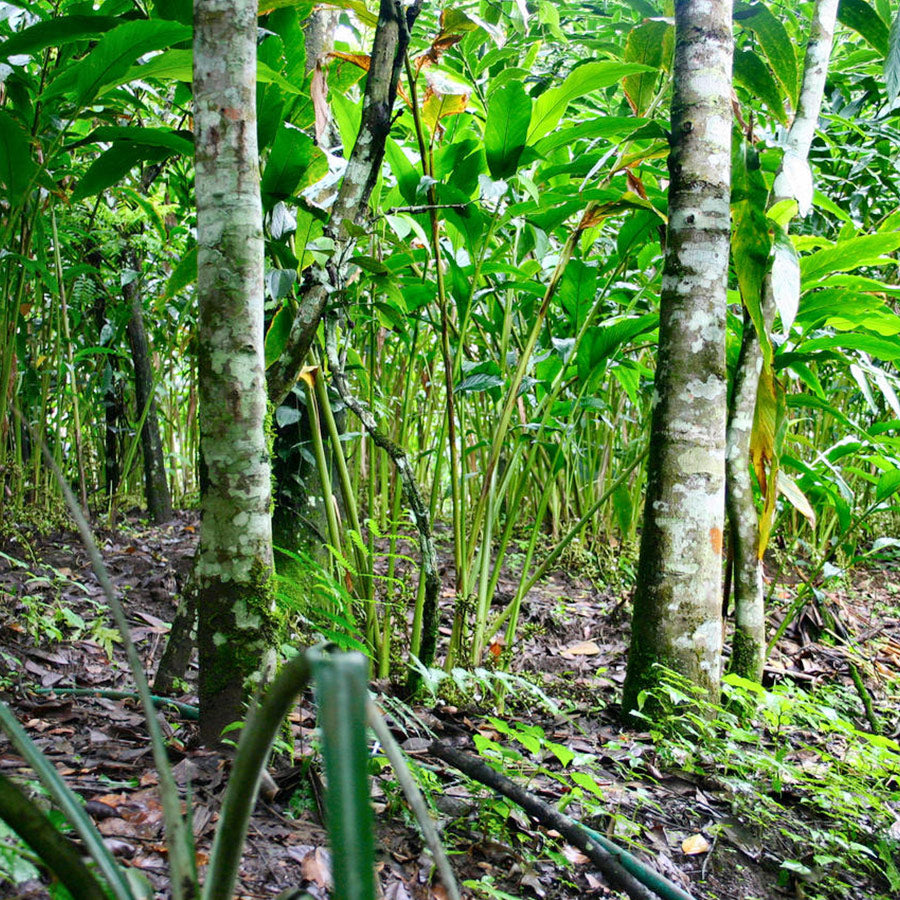
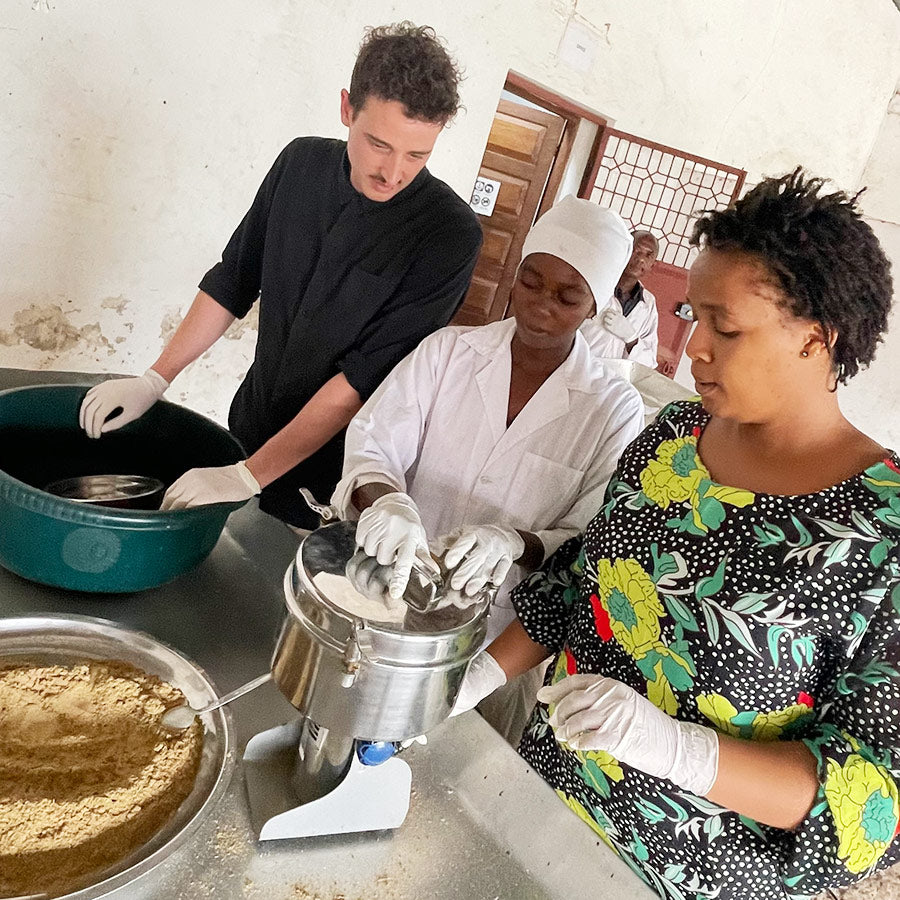
Direct contact with smallholder farmers in Zanzibar creates fair partnerships that benefit both sides. This not only ensures the quality of the spices but also improves the farmers' living conditions.
Conclusion
Exotic spices are more than just aromas – they are part of stories, cultures and sustainable relationships. With every purchase, you support not only your cooking but also the people behind these special spices.
FAQ
What are exotic spices?
Exotic spices are those that come from distant countries and are often used less in our everyday cooking. They offer unique aromas and frequently appear in specific regional dishes.
How do I use exotic spices?
Exotic spices are versatile, e.g. in meat and fish dishes, in vegetarian recipes or even in desserts. They enrich food with their intense flavour.
Where do 1001 Organic's exotic spices come from?
1001 Organic's spices come directly from smallholder farmers in Zanzibar, where they are produced under fair conditions using sustainable farming practices.
Why are 1001 Organic spices special?
They stand out for maximum freshness, natural origin, fair prices for the farmers and ensuring a positive social impact in the region.
How do I best store exotic spices?
To preserve freshness and aroma, exotic spices should be stored in a cool place away from light. 1001 Organic's practical packaging helps preserve the freshness of the spices.
Can I also use the spices for vegan dishes?
Yes, exotic spices are excellent for vegan cooking and give vegetables, pulses and grain dishes an intense flavour.


Bestsellers






















Natural & Fair
• Sustainable farming practices
• Local communities
• Direct partnerships
• Effective value creation at the source of the spices
• Farm to Kitchen concept
• Protection of biodiversity
• Fair working conditions

