

0 products
Sorry, there are no products in this collection
Garlic is indispensable as a seasoning in the kitchen. Its unmistakable aroma gives dishes character and depth. Whether fresh, dried, or in the form of garlic oil, the wide range of preparation methods makes garlic a true all-rounder. Learn about the different forms of this aromatic seasoning and how to use it at its best.
What makes garlic so special as a seasoning
Botanical classification and basics
Garlic (Allium sativum) belongs to the amaryllis family and is closely related to onions, leeks, and chives. Originally native to Central Asia, garlic has established itself over thousands of years as an essential seasoning in many cuisines around the world.
Taste and smell of garlic
The taste of garlic is strong and characteristic. Raw, it is sharp, while cooking makes it milder and slightly sweeter. Its unmistakable aroma is created by allicin, which is released when the cloves are crushed or cut.
How the typical garlic aroma develops
Allicin is the chemical compound responsible for the typical smell of garlic. It forms when fresh garlic cloves are damaged, whether by slicing, pressing, or chewing. Allicin has an intensely savory aroma and is one of the reasons garlic holds such an important place in international cooking.
Garlic – vegetable or seasoning? Its role in everyday cooking
Garlic is often considered both a vegetable and a seasoning. While fresh cloves can be used as a vegetable, dried garlic is often used as a seasoning. In both forms, it enriches dishes with flavor and is therefore an indispensable part of the kitchen.
Garlic in different forms
Fresh bulb
- Characteristics of fresh garlic: A fresh garlic bulb has firm, undamaged skin and is usually white to violet in color.
- Taste: Depending on the variety and ripeness, fresh garlic can range from sharp to mild and slightly sweet.
- Storage and shelf life: Fresh garlic should be stored in a cool, dark place to ensure maximum shelf life of up to 3 months.
Dried garlic
- Drying methods: Garlic can be preserved through air drying or technical drying processes, ensuring a long shelf life.
- Aroma differences: Dried garlic has a more concentrated aroma that differs from that of the fresh bulb.
- Bitter compounds: During drying, certain bitter compounds may become more pronounced, which can affect flavor intensity.
Garlic powder and garlic granules
- Definition: Garlic powder is finely ground, while garlic granules are coarser and usually still have noticeable texture.
- Concentration of aroma: Garlic powder offers a more intense flavor than a fresh clove, and its fine consistency makes dosing easier.
- Everyday convenience: In fast cooking, garlic powder is often more practical because it is ready to use immediately and requires no preparation time.
Garlic salt
- Composition: Garlic salt contains dried and ground garlic as well as salt, making it a suitable seasoning for many dishes.
- Difference: Compared with granular or fresh garlic forms, garlic salt is quicker and easier to use.
- Uses: Ideal for oven potatoes, grilled vegetables, or as a seasoning in various marinades.
Garlic oil
- Infusion: Garlic oil is made by infusing fresh or dried garlic in oil, often combined with other spices such as chili.
- Use: Perfect for marinades, pasta, or toasted bread – it adds a subtle aromatic layer to your dishes.
Garlic paste
- Recipe: A simple garlic paste can be made from fresh garlic, oil, and salt. It can be enriched with other ingredients such as herbs or chili if desired.
- Storage: The paste freezes well in portions and provides a quick seasoning base for many dishes.
Black garlic
- How it is made: Black garlic is produced through the fermentation of white bulbs, which changes both its texture and aroma.
- Aroma profile: It has a mild, sweet, and complex taste and is perfect for creative culinary concepts.
Aroma, texture, and effect in dishes
Flavor profile depending on preparation
- Raw: Raw garlic has a sharp, savory, and slightly burning taste that can dominate a dish.
- Cooked: When cooked, the flavor becomes milder and rounder, with a slightly sweet undertone.
- Roasted: Roasted garlic develops a nutty aroma and becomes tender and creamy.
- Fermented: Fermented garlic has a deep, balsamic-sweet aroma with very little sharpness.
Influence of cutting and processing
- Pressing vs. slicing: Crushing garlic releases more allicin than simply slicing it, which intensifies the flavor.
- Resting time: Letting chopped garlic rest before using it can strengthen the aroma.
- Different forms: Whole cloves, chopped garlic, or powder influence the overall aroma differently and should be chosen depending on the recipe.
Combining garlic with other spices and herbs
- Classic partners: Garlic pairs wonderfully with herbs such as parsley, thyme, and rosemary, as well as spices like chili and pepper.
- In herb salts: It is a staple ingredient in herb salts and seasoning pastes to intensify the flavor of salads and vegetables.
- Harmony: Garlic forms a wonderful flavor base for many dishes together with salt and acidity, such as vinegar or lemon.
Using garlic as a seasoning in the kitchen
Garlic in savory everyday dishes
- Garlic is a key ingredient in many soups, stews, and sauces, giving them an intense aroma.
- In vegetable dishes, garlic is often used in the pan or oven to bring flavors together and intensify them.
- It is an essential component in rice, pasta, and grain dishes for extra flavor.
- In fish and meat dishes, garlic brings depth and character, whether prepared on the grill or in the oven.
Garlic in dips, sauces, and spreads
- In cold sauces and dips such as tzatziki or aioli, garlic unfolds its aromas and provides a delicious flavor.
- Garlic oil and seasoning pastes are perfect flavor bases that also work well in quick cooking.
- In creamy spreads or savory bread toppings, garlic adds extra character and spice.
Garlic in spice blends
- Herb-garlic blends are ideal for salads and vegetables to intensify flavor.
- Meat and grill blends often contain garlic to give dishes a savory note.
- Mediterranean seasoning salts are typical for rice dishes and oven dishes, where garlic plays a central role.
Garlic in baking and roasting
- Whole garlic cloves can be cooked in the oven, which beautifully develops their flavor.
- Garlic bread or aromatic crusts are wonderful accompaniments to many dishes.
- Infused oil and garlic paste work excellently as a base for crispy oven dishes.
Practical tips for using garlic as a seasoning
Selection and quality
- Fresh bulbs can be recognized by their firm texture, shiny skin, and characteristic smell.
- Differences between white, pink, and purple garlic can bring subtle variations in flavor.
- Dried products such as granules or powder are practical when fresh garlic is not available.
Storage and shelf life
- Optimal storage conditions for fresh garlic are cool, dark, and dry in order to avoid mold formation.
- Garlic powder, granules, and garlic salt should be stored airtight to preserve their aromas.
- Garlic oil should be stored cool and generally keeps for up to one year.
Dosage and intensity
- Converting between a fresh clove and powder can be confusing: as a rule, 1 tsp powder = 1 garlic clove.
- Controlling the intensity of garlic in oils and pastes is important to avoid overpowering flavor.
- In many cases, less is more – a subtle garlic note is often enough.
Garlic in different culinary styles
- Garlic plays a central role in many national cuisines and is a basic ingredient in countless traditional dishes.
- As a base seasoning, it is often used together with onions, pepper, and other herbs.
Garlic knowledge at a glance for mindful food lovers
Garlic as an everyday flavor booster
Garlic is not only delicious, but also an everyday aromatic enrichment for many dishes.
The difference between fresh and dried garlic for your cooking experience
Fresh garlic offers a sharper taste, while dried garlic provides more concentrated aromas – ideal for different culinary creations.
How to make your own garlic seasonings with a few basic ingredients (paste, salt, oil, blends)
Experiment with fresh garlic, oil, salt, and herbs to create your own aromatic seasoning variations.
Garlic as part of an aroma-rich, mindful kitchen
Integrate garlic into your daily diet and enjoy its full aromatic range – for mindful and flavorful cooking.
FAQ
How much fresh garlic equals one teaspoon of garlic powder?
As a rule, one fresh garlic clove is roughly equivalent to one teaspoon of garlic powder.
What are the benefits of black garlic?
Black garlic has a sweeter and milder taste, which makes it especially suitable for fine sauces and modern cuisine.
How long does fresh garlic keep?
Fresh garlic keeps for up to three months in a cool, dark place.
What is the best way to store garlic powder?
Garlic powder should be stored in an airtight container in a cool, dry place to preserve freshness.
When is the best time to add garlic?
Fresh garlic should be added about 5 to 10 minutes before the end of cooking so it can develop its aroma without burning.
How much garlic can I use in a week?
That depends on your preferences, but one to two cloves per day are often considered pleasantly balanced in flavor.
How can I grow garlic myself?
Garlic can easily be grown in your own garden or in pots by planting cloves in autumn or winter.
What should I look for when buying garlic?
Look for firm bulbs with unbroken skin and a fresh smell to ensure maximum aroma quality.
What is the difference between fresh, dried, and black garlic?
Fresh garlic is sharp and intense, dried garlic offers concentrated aromas, while black garlic becomes sweet, mild, and much softer through fermentation.
How do you make garlic paste?
For a simple recipe, you need fresh garlic, oil, and salt – blend them together and store the paste in a glass container in the fridge or freeze it.





Bestsellers










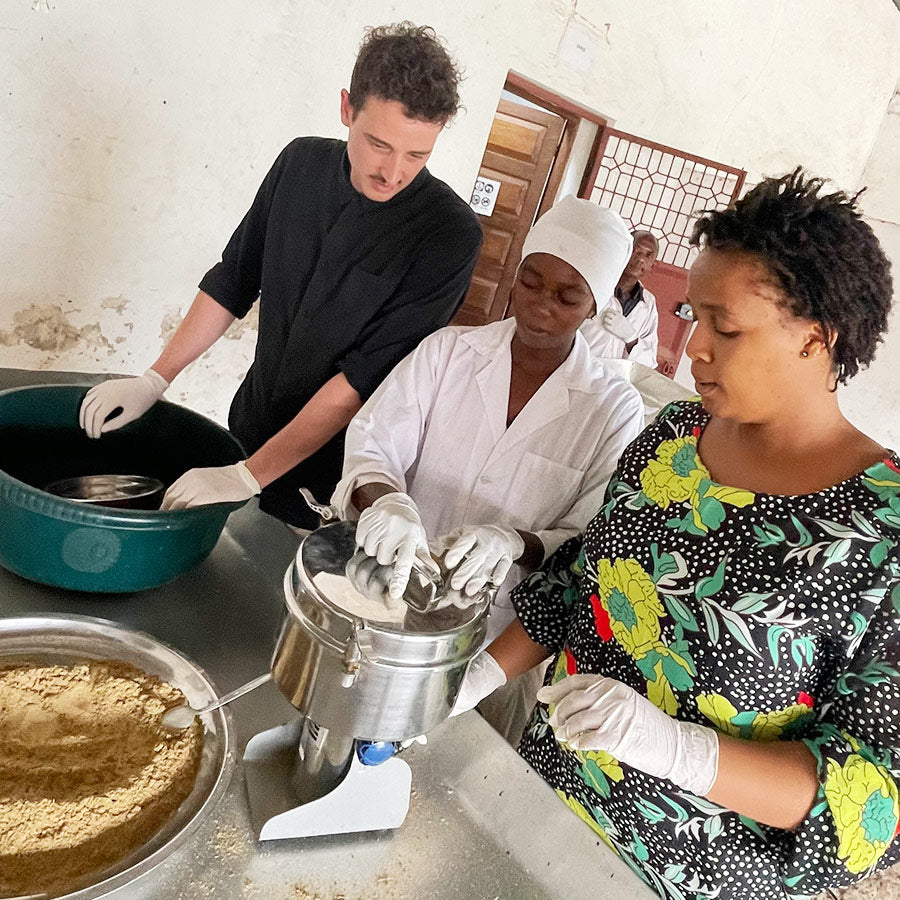












Natural & Fair
• Sustainable farming practices
• Local communities
• Direct partnerships
• Effective value creation at the source of the spices
• Farm to Kitchen concept
• Protection of biodiversity
• Fair working conditions

