

1 product
Discover the fascinating world of spices for curry! Whether Indian, Thai or “English” inspired – these aromatic blends offer not only flavour but also tell stories of origin and social responsibility. At 1001 Organic, our spices come directly from smallholder farmers in Zanzibar and stand for sustainability and freshness.
The basics – what curry actually is
Curry as a spice blend, not a single spice
Curry is not a single ingredient but a versatile spice blend that exists in different regions of the world. Its composition varies greatly and offers a wide range of flavours and aromas, depending on the ingredients used.
Regional diversity of curry blends (Indian, “English”, Thai-inspired)
There are numerous regional variations of curry blends. Indian curries often contain complex spice combinations, while “English” curry powders offer milder and simpler aromas. Thai curries, on the other hand, are often hotter and fresher, frequently enriched with ingredients such as lemongrass and galangal.
Number of ingredients – from a few to complex blends
Curry blends can consist of just a few spices or be very complex, with up to twenty different ingredients. This diversity allows every cook to express their own style and taste.
Core spices found in almost every curry
Turmeric – the heart of many curry blends and a source of colour
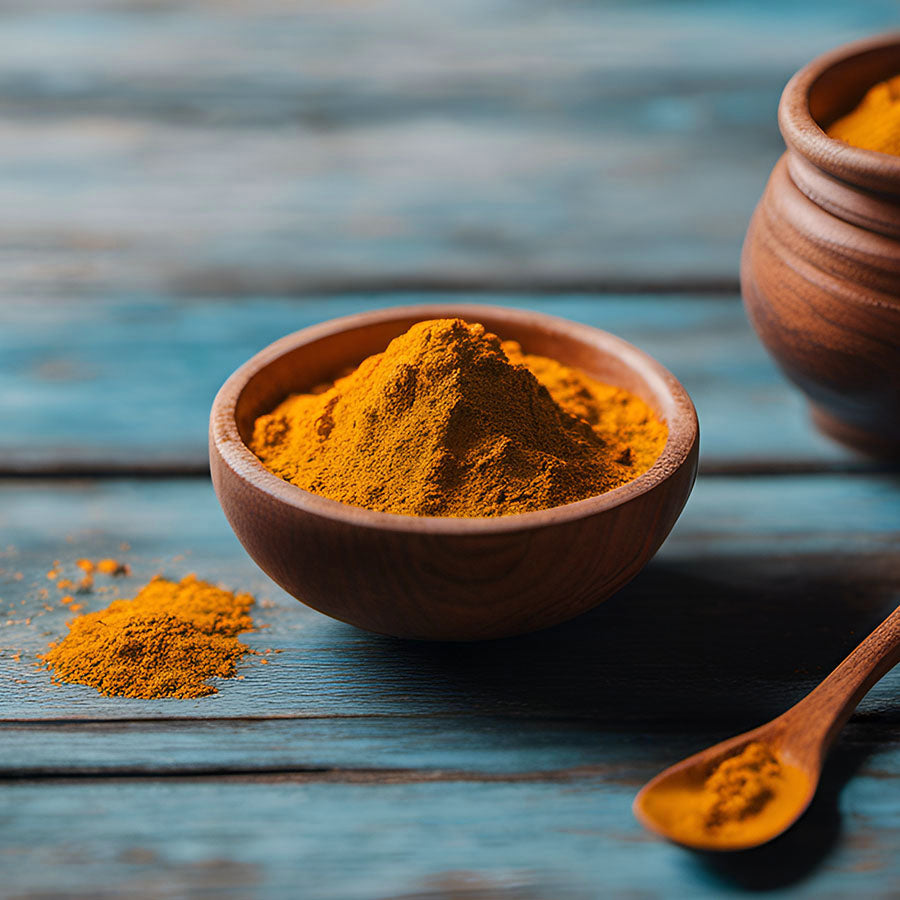
Turmeric is not only a main ingredient in many curries, it also gives dishes their characteristic golden-yellow colour. Its taste is earthy and slightly bitter, providing a wonderful base for many blends.
Coriander seeds – a warm, slightly sweet base note
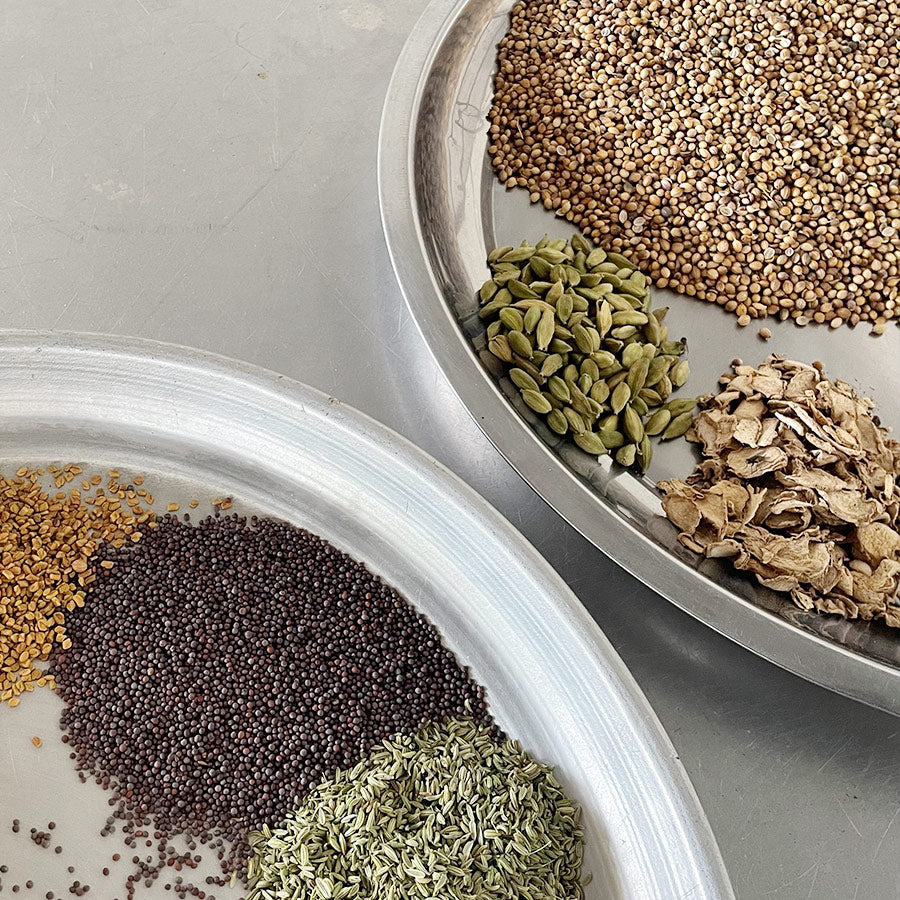
Coriander seeds bring a warm sweetness to the blend and go wonderfully with other spices. They are versatile and often form the basis of many curries.
Cumin – earthy, intense seasoning
Cumin gives curry its characteristic earthy note. It is an essential spice in many curry blends and adds an intense flavour that harmonises perfectly with the other aromas.
Fenugreek – a slight bitter note and fullness of flavour
The crushed seeds of fenugreek add a subtle bitter note that enriches the flavour of the curry. It is a classic spice often used in Indian curries.
Black pepper – peppery heat and depth
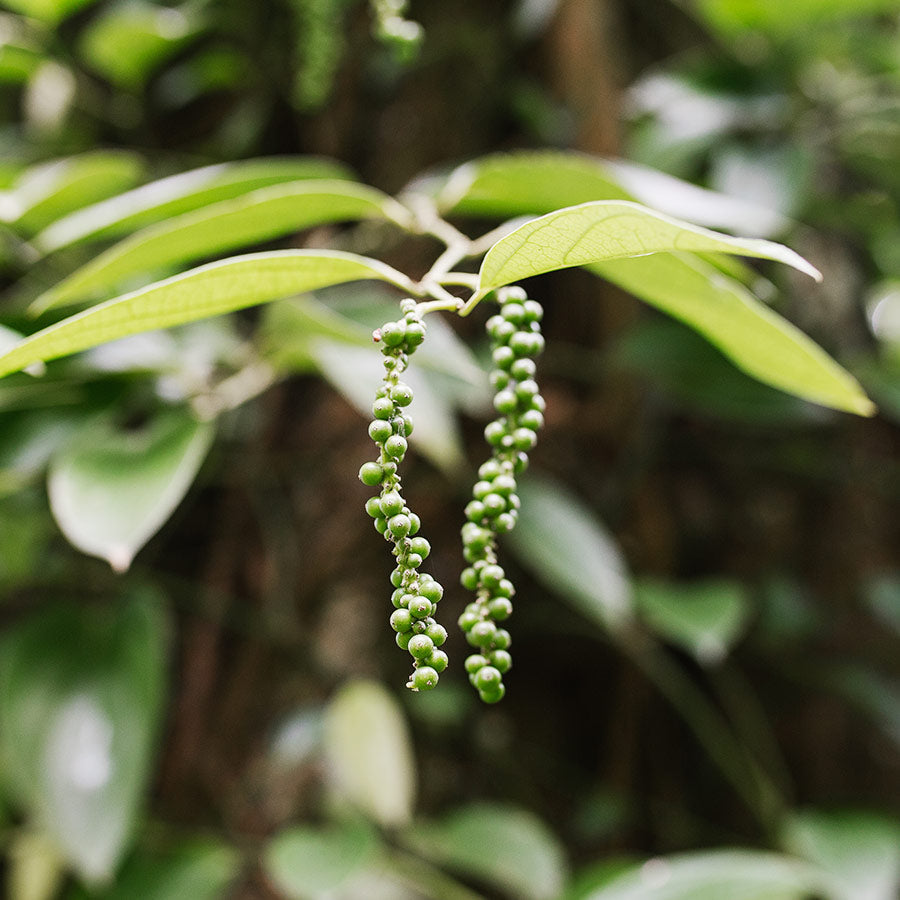
Black pepper brings not only heat but also depth to the spice blend. It is an indispensable spice in almost every curry and goes perfectly with other spices.
Typical additional spices for classic curries
Ginger – warm heat and freshness
Ginger is an absolute must-have in many curries. Its fresh, hot note complements the other spices and gives the dish a characteristic zing.
Chili and cayenne – controlling the heat
Using chili or cayenne powder lets you adjust the heat individually. These spices bring the necessary heat for an intense taste experience.
Paprika – mild heat and colour
Paprika provides a pleasant, mild heat and gives curries a beautiful reddish colour. It is a popular ingredient, especially in milder curries.
Cloves – intense, spicy depth
Cloves provide an intense, warming depth. Their unique note can give curries a special refinement.
Cinnamon – a warm, slightly sweet note
Cinnamon brings a pleasant sweetness and warmth. It is particularly popular in wintry curries and complements the other spices perfectly.
Nutmeg and mace – a fine, nutty flavour
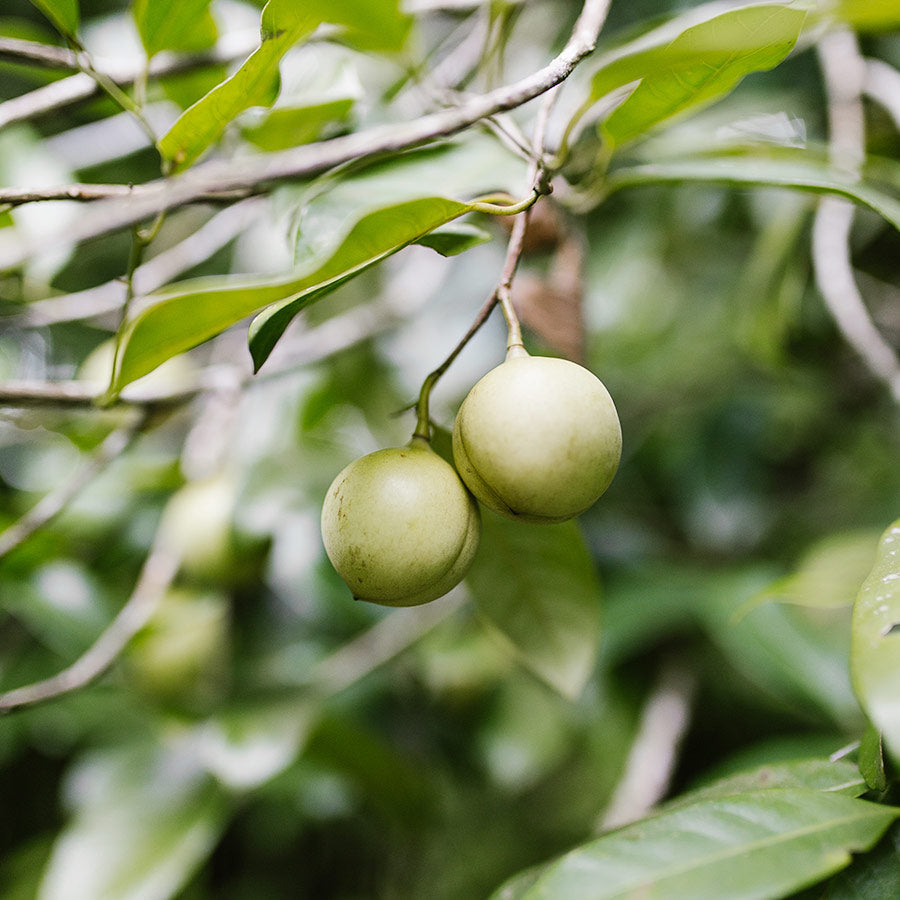
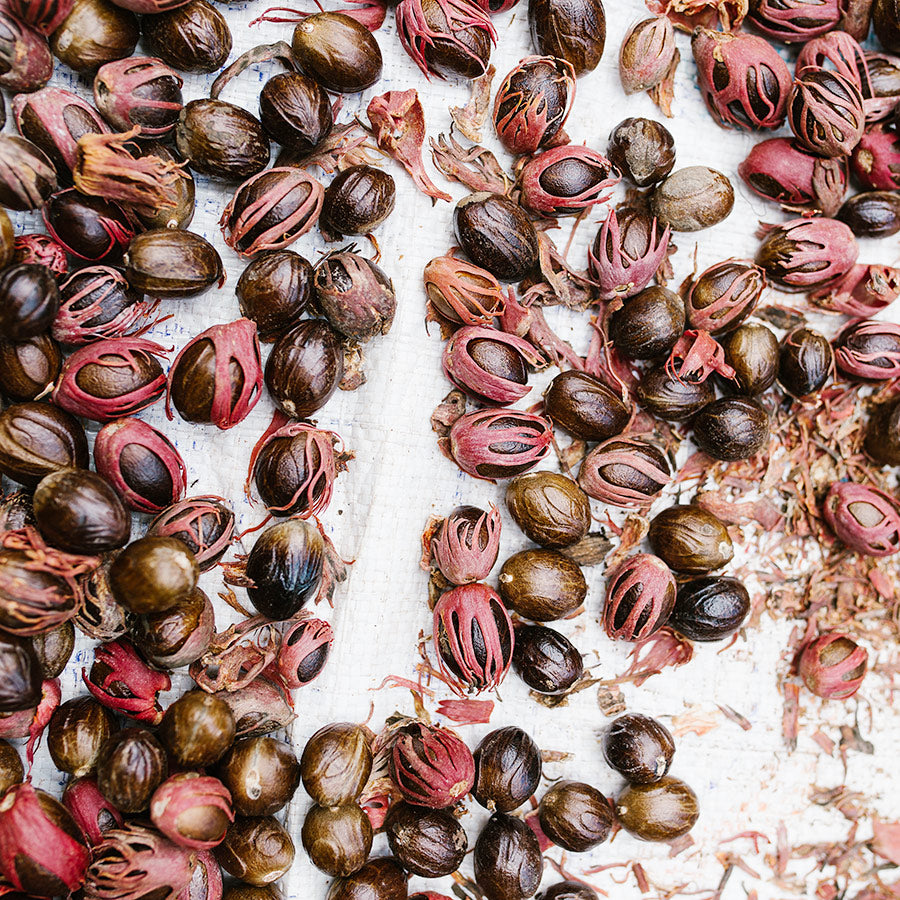
Nutmeg and mace add a fine, nutty note and are fantastic additions to many curries. Used in small amounts, they can make a real difference!
Fennel – gentle sweetness and freshness
Fennel provides a subtle sweetness and an appealing freshness in curry. Especially in vegetarian dishes, it adds a new dimension.
Mustard seeds – subtle heat and roasted notes
Using mustard seeds can give curries a subtle heat and pleasant roasted notes that increase the complexity of flavour.
Garlic – a hearty, robust base
In many cultures, garlic is a common base ingredient that gives dishes a hearty note. In curries, it contributes to a fuller flavour.
Dried onion – the basis for hearty curries
Dried onions are not only practical, they also provide a delicious base for many curries. They round off the flavour perfectly and add depth to the dish.
Allspice – slightly peppery, with hints of clove and nutmeg
Allspice gives curries a complex flavour with hints of clove and nutmeg. It is an exciting addition often used in special blends.
Fragrant and fine spices for delicate curries
Cardamom (green and black) – sweet, spicy, slightly fresh
Cardamom is a fine spice that can enrich both sweet and savoury dishes. In delicate curries in particular, it provides an unmistakable note.
Cinnamon in subtle amounts for rounded, warm curries
Used in subtle doses, cinnamon can give curries a special warmth that blends harmoniously into the overall composition.
Mace as an elegant complement to nutmeg
Mace brings an elegant note and fits perfectly into curries that call for a fine, nutty depth.
Lemony components such as lemon zest or similar notes
Lemon zest or other citrus components bring freshness and a lively note to curries, brightening the flavour.
Spices for mild, aromatic curries
Turmeric, coriander, cumin and fenugreek as a mild base
For mild curries, the combination of turmeric, coriander, cumin and fenugreek is a good choice. Together, these spices create a harmonious and gentle flavour base.
Restrained use of chili and pepper for gentle heat
Chili and pepper can be balanced so that they bring a gentle heat to the dish without overpowering it.
Sweet accents from cinnamon, fennel or paprika
Dishes with mild curries benefit from sweet accents created by cinnamon, fennel or paprika. This creates a harmonious imbalance.
Fennel and mild paprika for rounded, family-friendly curries
Fennel and mild paprika make curries more child-friendly and rounded, as they offer plenty of aroma without being too hot.
Spices for hot and intense curries
A higher proportion of chili or cayenne for noticeable heat
For a real taste experience, the amount of chili or cayenne can be increased to give the heat a new dimension.
Generous use of black pepper
Using more black pepper increases the intensity of the curry and makes for an exciting taste experience.
Combining with ginger for more depth in the heat
Ginger combined with chili not only intensifies the heat but also gives the curry more depth and complexity.
Classic hotter styles such as Madras-inspired blends
Curry styles reminiscent of Madras are known for their high level of heat and bring an exciting depth of flavour.
Sweet, warm and “comfort food” curry spices
Cinnamon and cardamom for warm, rounded aromas
The combination of cinnamon and cardamom gives curries a hearty, sweet note that goes perfectly with wintry dishes.
Cloves and allspice for cosy, wintry curry dishes
Cloves and allspice bring a cosy, warm flavour and are ideal companions for wintry curry dishes.
Using nutmeg and mace for fine, nutty notes
Nutmeg and mace bring fine, nutty aromas into play that round off and refine the curry.
Herbs and fresh accents in curry
Fresh or dried coriander leaves as a topping
Fresh or dried coriander leaves not only give curries a flavour kick but also add fresh accents.
Using fresh or dried herbs depending on the region
Using regional herbs such as mint or parsley can broaden the variety of curries and highlight new flavours.
Spices for Indian-inspired curries
Typical base: turmeric, coriander, cumin, fenugreek, black pepper
Indian curries rely on a base of turmeric, coriander, cumin and fenugreek, complemented by the heat of black pepper, which rounds off the flavour profile harmoniously.
Additions such as ginger, garlic, cinnamon, cloves and cardamom
Classic Indian curries are characterised by the addition of ginger and garlic, while cinnamon, cloves and cardamom round off the flavour.
Variants from mild to very hot, controlled by chili, cayenne and pepper
Indian curries offer a wide range of heat levels that can be controlled through the targeted use of chili, cayenne and pepper.
Using tomatoes, onions and spice paste as the basis of many dishes
Tomatoes and onions are common ingredients in Indian curries; they form the basis of many recipes and give dishes fullness and flavour.
Spices for “English”-inspired curry powders
Milder heat, gentle use of chili
“English” curry powders are typically milder and rely less on intense heat, which makes them well suited to Europeanised cooking.
Emphasis on turmeric, fenugreek, cumin and coriander
Here, turmeric, fenugreek and cumin take centre stage as the main spices, complemented by coriander to pleasantly round off a mild base.
Often complemented by pepper and subtle sweetness
Pepper is often used only subtly in these spice blends, while a slight sweetness makes the overall taste experience pleasant.
Spices for Thai-inspired curries
The difference between curry powder and curry paste in the kitchen
While curry powder is a dry spice blend, curry paste is usually freshly prepared, which gives it a much more intense freshness and aroma.
Typical spice base in pastes: chili, garlic, galangal, lemongrass, salt
Thai curry pastes are usually based on a combination of these ingredients and bring the unmistakable freshness and heat that Thai cuisine is known for.
Fresh herbs and ingredients such as coriander leaves
Adding fresh herbs such as coriander leaves in the final stages of cooking gives your curry an extra aroma kick.
Differences in colour and heat: red, green and yellow curry
Red, green and yellow curries differ not only in heat but also in their colouring and the herbs and spices they contain.
The structure of a homemade curry blend
Building blocks: colour, body, heat, fragrance
A homemade curry blend should consist of a balanced combination of colouring spices, body-giving spices, heat and fragrant spices.
Choosing the colouring spices – mainly turmeric, plus paprika or chili
The base colour can be determined by turmeric, paprika or chili. These spices give the blend its characteristic appearance.
Building the aroma base with coriander, cumin and fenugreek
Coriander, cumin and fenugreek form the aromatic pillars of your curry blend and can be combined in a wide variety of proportions.
Setting the focus: hot, warm, fresh or slightly sweet
Depending on personal taste, the focus can vary. More chili adds heat, for example, while cinnamon adds sweetness.
The role of “high-note” spices such as cardamom, cloves and cinnamon for the finishing touch
“High-note” spices add the final nuances to the blend and are crucial for the flavour balance you want to achieve.
Frequently mentioned spices in curry blends (overview)
Very common ingredients
- Turmeric
- Coriander seeds
- Cumin
- Fenugreek
- Black Pepper
- Chili or cayenne
Often used as additions
- Ginger
- Paprika
- Mustard seeds
- Fennel
- Garlic
- Onion (dried)
For special fragrance and flavour nuances
- Cinnamon
- Cloves
- Cardamom
- Nutmeg and mace
- Allspice
- Galangal and similar roots in Thai-style variants
Using curry spices in the kitchen
Toasting the spices or blends in oil at the start of cooking
Toasting the spices at the start of cooking is crucial to activate and deepen their aromas.
Use in sauces, stews, rice dishes and stir-fries
Curry blends are excellent for refining sauces, stews, rice dishes and stir-fries – they offer endless versatility in the kitchen.
Matching the spices to vegetables, pulses or different protein sources
The choice of spices can be adjusted depending on the ingredients used.


Bestsellers



























Natural & Fair
• Sustainable farming practices
• Local communities
• Direct partnerships
• Effective value creation at the source of the spices
• Farm to Kitchen concept
• Protection of biodiversity
• Fair working conditions

