


Spice blends are combinations of selected spices and herbs that considerably enrich the flavour of food. These blends contain no added flavourings or flavour enhancers and promote a natural variety of aromas. A high-quality spice blend creates an intense taste experience in the kitchen.
What are spice blends?
Definition and scope
Spice blends are refined combinations of pure, dried spices and herbs. These blends are free from additives such as salt, sugar or flavour enhancers, so the flavour comes solely from the plant ingredients used. In contrast, a seasoning preparation may also contain ingredients such as salt or vegetable components.
Typical ingredients in spice blends
- Herbs: oregano, basil, thyme, rosemary, marjoram, parsley, dill, chives
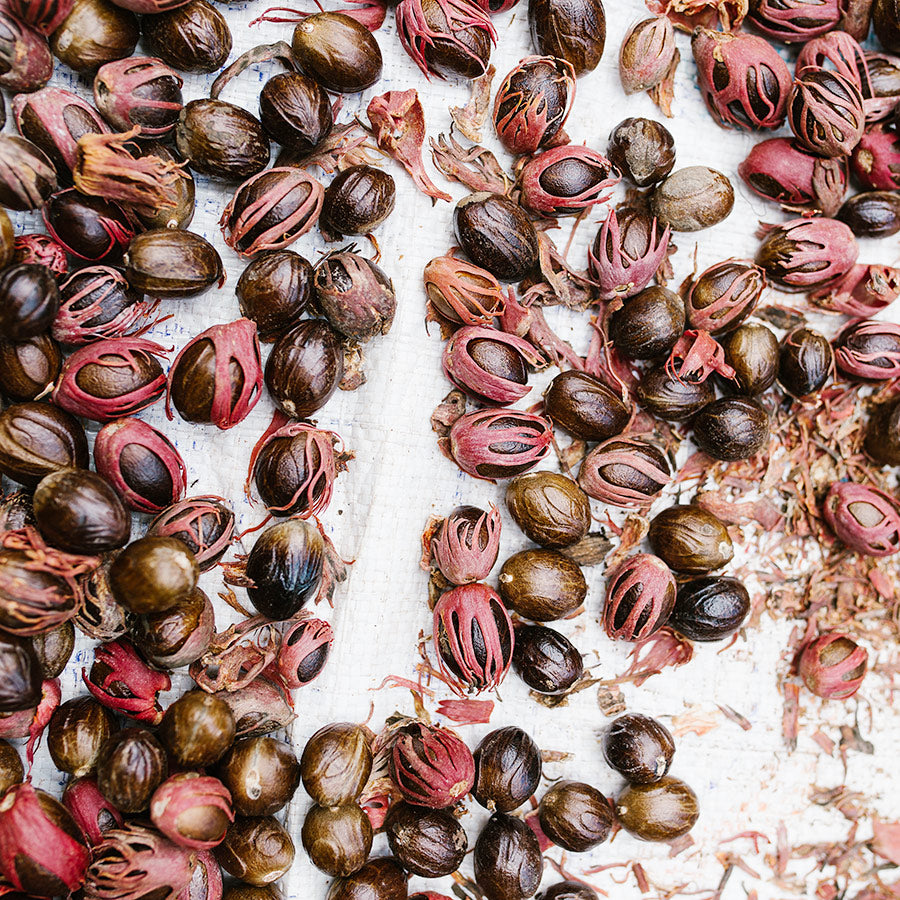
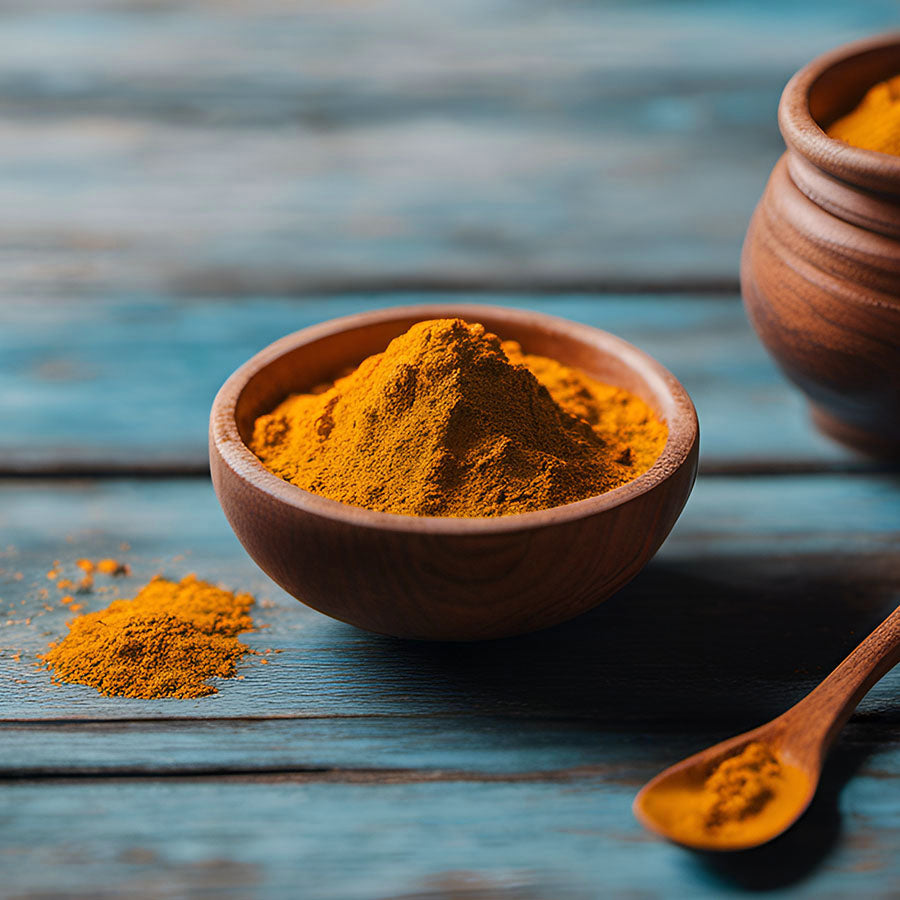
- Spices: paprika, pepper, coriander, cumin, turmeric, cardamom, cinnamon, nutmeg, cloves, ginger, chillies
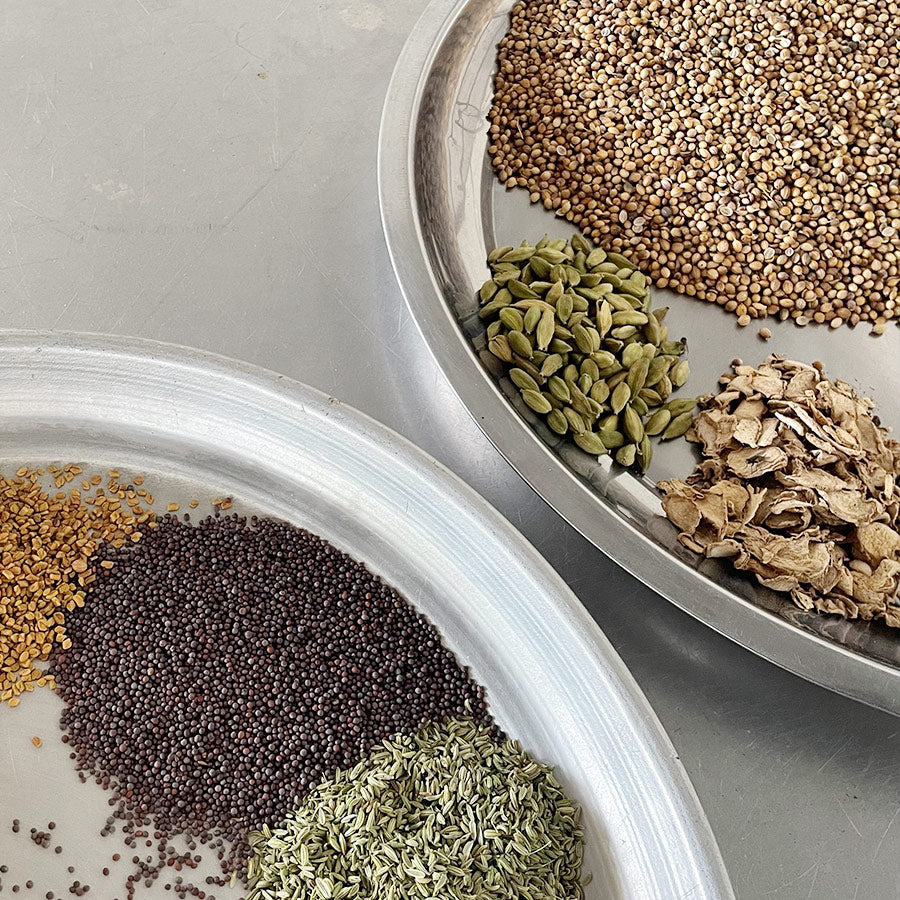
- Other plant ingredients: garlic, onion, tomato flakes, lemon or orange peel, sesame, mustard seed, fennel, juniper
- Texture-giving ingredients: seeds and kernels, dried vegetable pieces, herb flakes
Functions and benefits of spice blends
Better flavour and enjoyment
Spice blends are an excellent way to create complex aromas with just a few simple steps. They bring a balanced harmony of heat, sweetness, acidity, bitterness and umami to your dishes. These blends make it possible to elevate simple dishes and create an unmistakable taste experience.
Simpler cooking
Using spice blends not only saves time measuring and combining individual spices, it is also especially helpful for people who are still getting to know spices. You can rely on a dependable base, whether for roasted vegetables, grilled dishes or quick everyday cooking.
Consistency and reproducibility
Using spice blends gives you a consistent flavour when you repeat recipes. This is particularly important at home, where you want your favourite dishes to turn out "just as good" every time, and in the restaurant trade, where standardised products are in demand.
Cultural and historical significance
Spice blends are not just carriers of flavour but also elements of a region's culinary identity. Traditional recipes are passed down through generations and connect cooking, history and everyday life. Regional blends play an important role especially on holidays or within families.
Shelf life and preservation
In the past, spice blends were often used to preserve food, for example when preserving meat and fish or in fermentation. Many spices help food keep longer.
Types and categories of spice blends
By use in the kitchen
For meat dishes
Robust spice blends, often dominated by pepper and paprika, are particularly useful for meat dishes. Here are some variations:
- Beef: Intense pepper blends and robust herbs
- Pork: Smoky notes, paprika, garlic
- Poultry: Milder, herb-led blends
- Braised roasts and quick-fried dishes: Ideal for spicy marinades
For fish and seafood
Light, fresh aromas with citrus and herbs are the cornerstones of these blends. Typical types are:
- Herb and citrus mixes for salmon and white fish
- Lemon pepper salts
- Mild garlic and herb combinations
For vegetables, bowls and vegetarian cooking
All-round mixes are perfect for roasted vegetables and vegetarian dishes:
- Typical ingredients: paprika, turmeric, cumin
- Special blends for hummus, avocado dishes, tofu
For grilling and marinades
Dry rubs and marinade blends are essential for barbecue fans:
- Main components: paprika, pepper, garlic, onion, thyme, oregano
- Use: as a dry rub or as a base for marinades
For pasta, pizza and Mediterranean cuisine
Herb-led blends are popular:
- Combinations of oregano, basil, thyme, rosemary
- Used in pasta sauces, pizza, antipasti
For soups, stews and sauces
Hearty, savoury base blends make seasoning easier:
- Tasty combinations of celery, leek and carrot flakes
- Pepper, paprika and nutmeg for that little extra
For breakfast and bread
The right spices make for a great start to the day:
- Toppings for buttered bread, avocado toast and yoghurt bowls
- Ingredients used: seeds, grains, herbs, garlic, sesame
Dessert and sweet dish blends
Warm, sweet and spicy combinations are used in many desserts, such as:
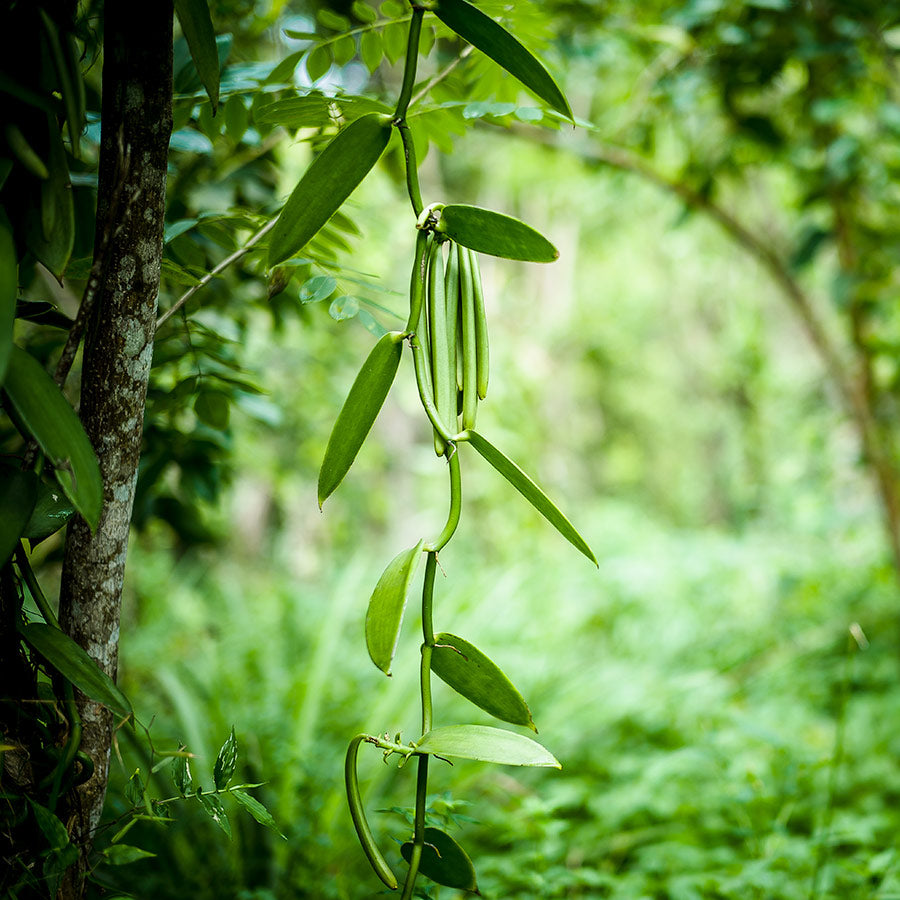
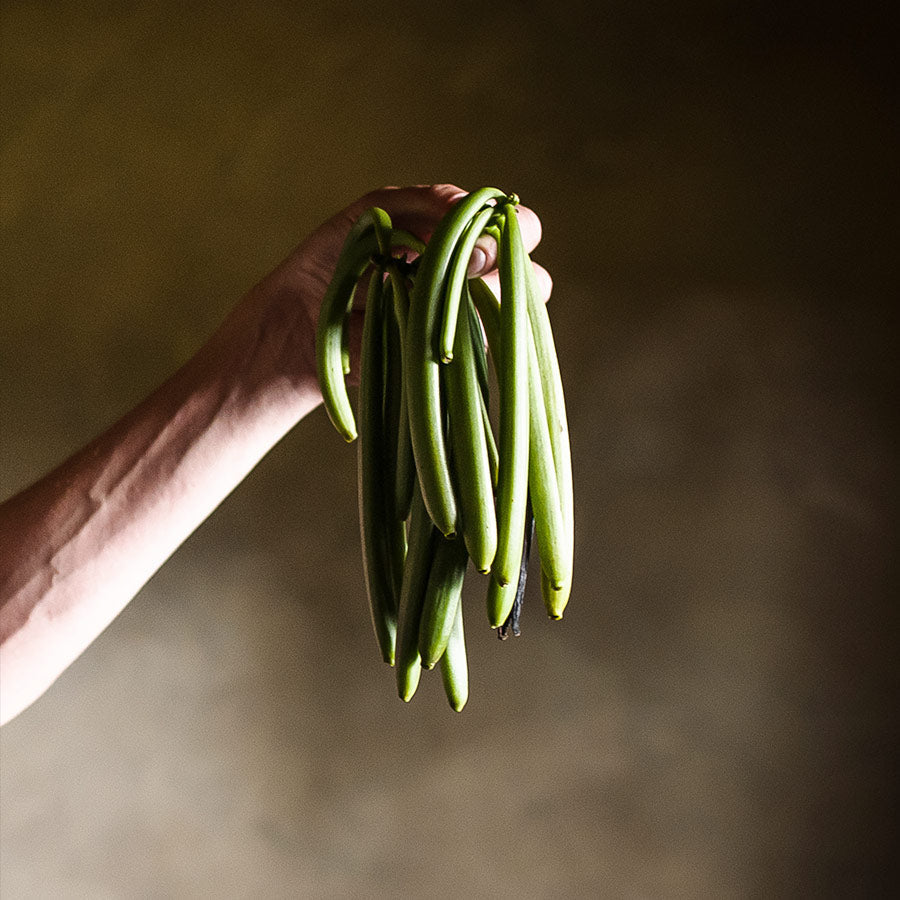
- Cinnamon, cardamom, vanilla, cloves, nutmeg
By origin and national cuisine
Mediterranean blends
A herb focus with oregano, thyme, rosemary and basil perfects Mediterranean cooking. These blends are ideal for:
- Pasta, pizza, vegetables, fish, salads
Central European / regional blends
Combinations with juniper, caraway and marjoram bring an earthy, hearty profile:
- Especially for braised dishes and roasts
North African and Middle Eastern cuisines
The diverse aromas are shaped by cumin, coriander, cinnamon and cardamom. Used in:
- Couscous dishes, vegetable and lentil dishes
South Asian-inspired blends
Complex spice compositions as in curries, dominated by coriander and cumin:
- Curries, rice dishes, marinades
International grill and BBQ cuisine
Sweet, spicy and smoky blends suit grilling and BBQ:
- Perfect for grilled meat, vegetables and burgers
By function and structure
Dry rubs
For intense barbecue flavour: coarse blends with a high spice content, ideal for smokers.
Finishers and toppings
They give dishes the final touch, often in a coarser texture so they are visible.
Base mixes / all-rounders
Neutral, versatile blends suitable for quick "everything into the pan" dishes.
Special blends for specific dishes
These blends are developed specifically for popular dishes such as hummus, baked potatoes or salad dressings.
Using spice blends
Basic principles of seasoning
- Dosage: Start small and increase to taste.
- Timing: Season early for deeper aromas, late for fresh notes.
- Fat as a flavour carrier: Many aromas develop better in oil or fat.
- Toasting: Dry-toasting whole seeds intensifies the aroma.
Typical everyday uses
Cooking & frying
Add directly to the pan or pot, ideally toasting in oil before frying.
Marinating
Combine the spices with oil, yoghurt or liquids and leave to infuse for a few hours.
Toppings
Sprinkle over cooked dishes, ideal for bowls, salads and oven dishes.
Baking
Use in bread and roll doughs as well as in sweet baked goods.
Spice blends for different diets
Vegetarian and vegan dishes
Blends that emphasise umami and roasted aromas make any vegetable dish delicious.
Mindful everyday cooking
Spices without flavour enhancers and with reduced salt for a mindful diet.
Quality
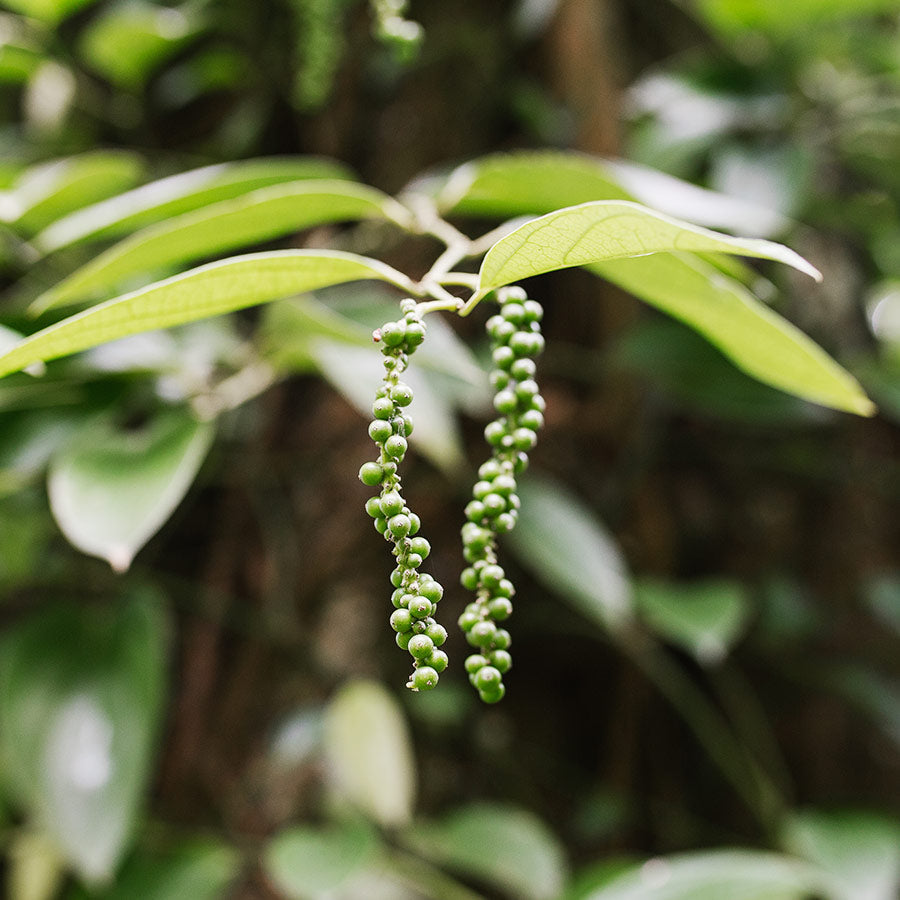
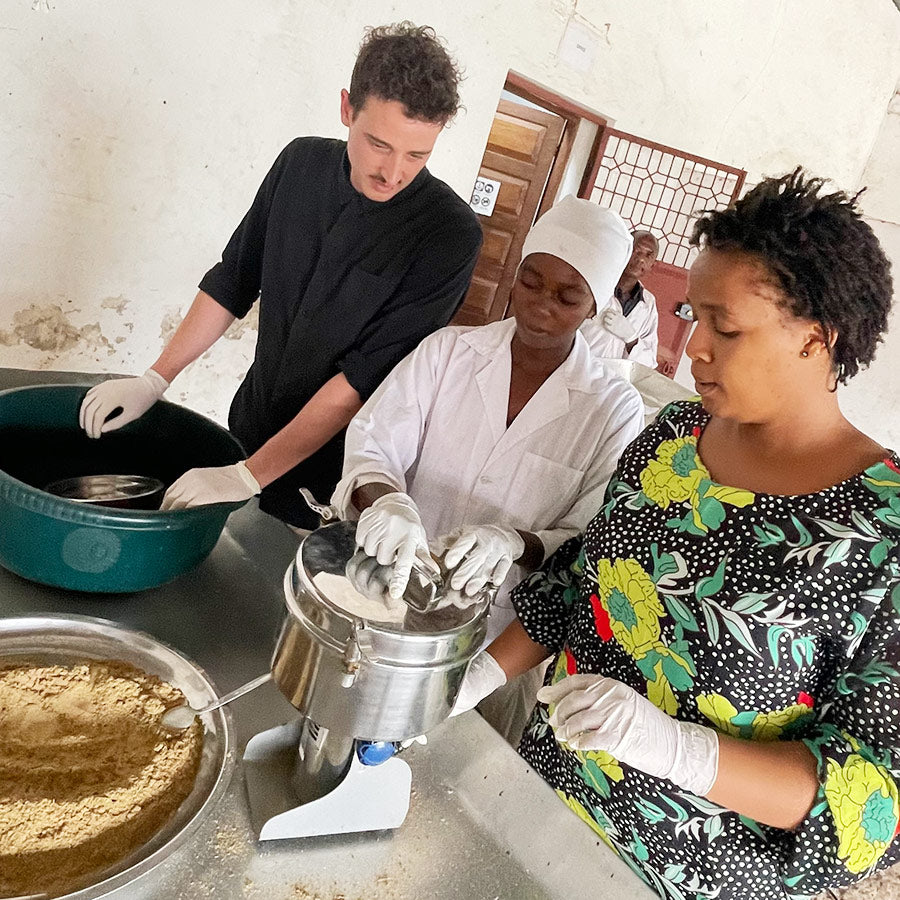
To ensure maximum enjoyment and responsible quality, 1001 Organic sources its spices directly from smallholder farmers in Zanzibar. Fresh, sustainable and natural products come first for us. The spices grow in mixed cultivation and are processed locally. This is how we guarantee the best possible quality and authentic flavour for your kitchen.
FAQ
What are spice blends?
Spice blends are combinations of various pure spices and herbs used to intensify and enrich the flavour of food.
What makes a good spice blend?
A good spice blend stands out through the quality of its ingredients, freshness and the absence of unnecessary additives. It should offer a balanced and harmonious taste experience.
How do I use spice blends correctly?
Start with a small amount and gradually adjust to your personal taste. Consider the timing of seasoning – early for intense aromas and late for fresh notes.
Where do 1001 Organic's spices come from?
1001 Organic's spices come directly from smallholder farmers in Zanzibar. Through local processing, we secure both freshness and fair conditions.
Why should I choose spice blends from 1001 Organic?
With every purchase, you support smallholder farmers and promote sustainable practices. Our spices are natural and contribute to the development of the regional economy.
How long do spice blends keep?
Spice blends should be stored in a cool, dry place and, if stored correctly, keep for several months. However, it is best to use them fresh to enjoy their full aroma.
Can I make my own spice blends?
Yes, making your own spice blends is easy! Experiment with different spices and herbs to create flavours you like.


Bestsellers
























Natural & Fair
• Sustainable farming practices
• Local communities
• Direct partnerships
• Effective value creation at the source of the spices
• Farm to Kitchen concept
• Protection of biodiversity
• Fair working conditions

