

0 products
Sorry, there are no products in this collection
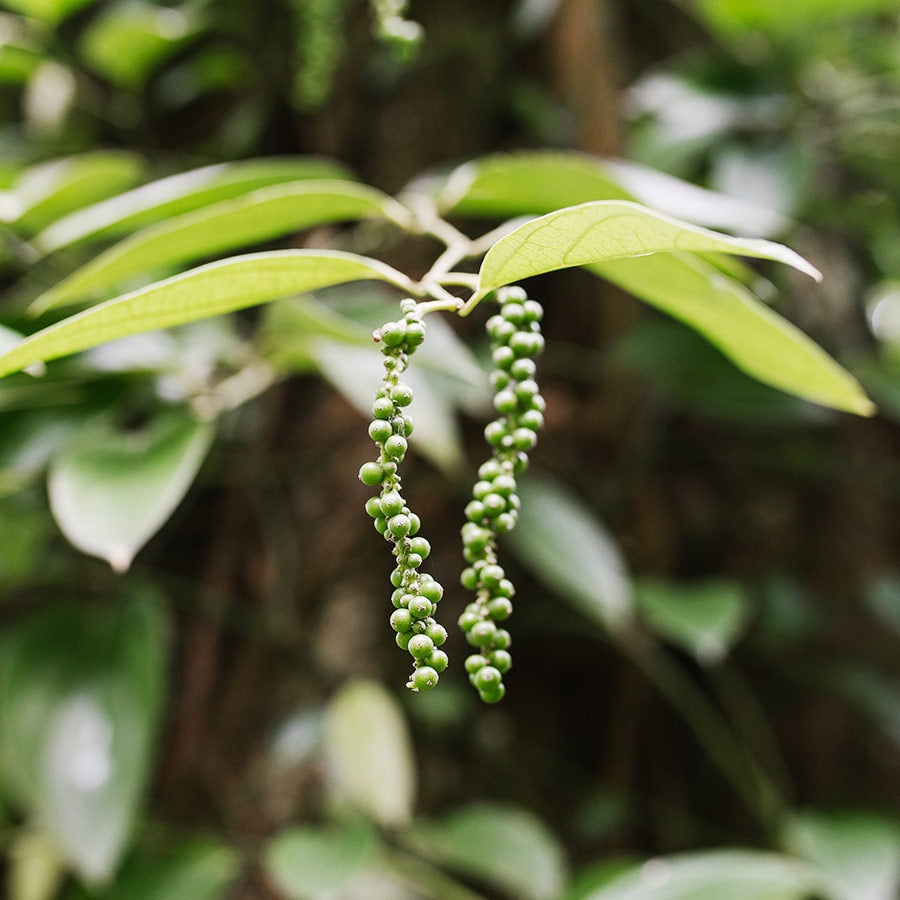
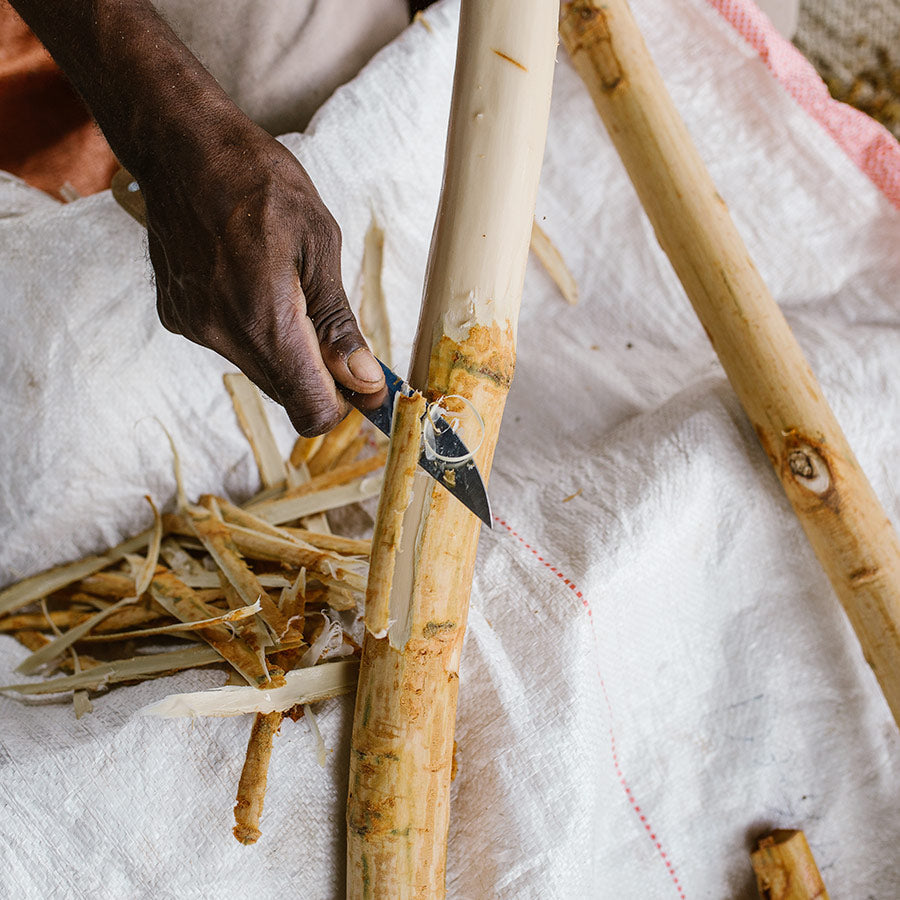
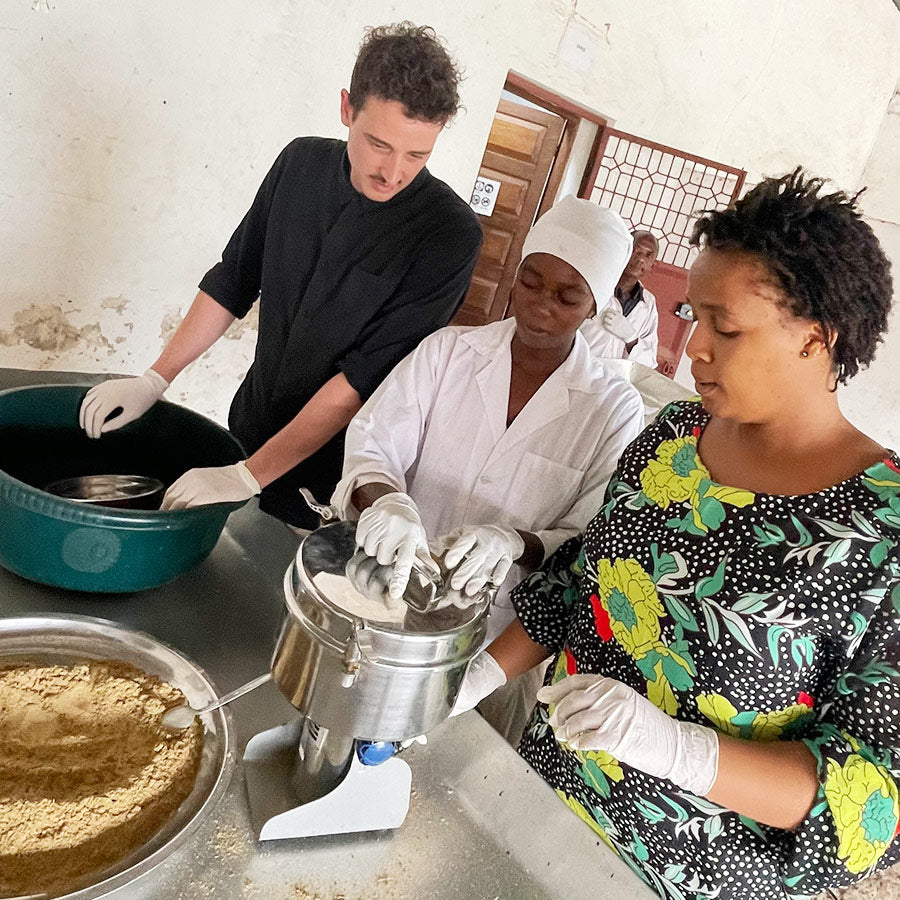
Masala spice is an aromatic spice blend traditionally made from different herbs and spices. In Indian cuisine in particular, masala plays a central role because it gives many dishes a unique flavor. At 1001 Organic, we source our spices directly from smallholder farmers in Zanzibar for maximum freshness and quality.
What is masala spice?
Meaning of the term “Masala”
The term “Masala” comes from Hindi and Urdu and refers to the combination of different spices and herbs. Unlike single spices, masala describes a balanced blend that brings together the aromas of the individual components. These blends differ significantly from curry powder, which is often considered a colonial invention and only a simplified version of the rich spice culture of the Indian subcontinent.
Masala as the heart of Indian cuisine
In everyday Indian cooking, masala is at the heart of many dishes. It is used in curries, snacks, and sauces and can be found in every household. The variations are almost endless; every region and every home has its own recipes, often passed down through generations. This creates an incredible diversity of flavors and aromas that can be experienced in a single bite.
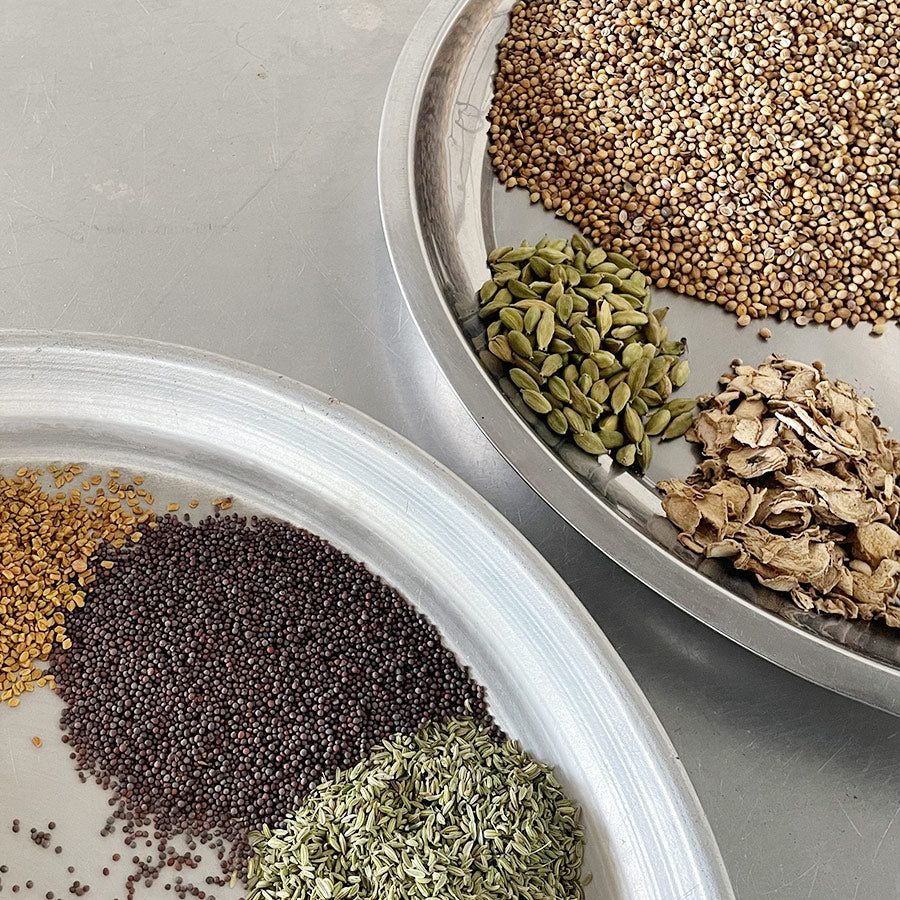
Typical base spices in masala blends
- Cumin
- Coriander
- Turmeric
- Cardamom
- Cloves
- Cinnamon
- Pepper
- Fenugreek
- Fennel
These spices bring a wide range of aromas – from hot to savory to slightly sweet. It is important to use both whole and ground spices correctly in order to bring out their flavors fully and refine the dish.
Important types of masala and their special features
Garam Masala
Origin and meaning
“Garam Masala” literally means “warming spice blend” and has its roots in North Indian cuisine. This blend is widespread across the Indian subcontinent and is known for its ability to intensify the flavor of dishes.
Typical composition of Garam Masala
The classic composition includes spices such as cardamom, cumin, coriander, cinnamon, cloves, and pepper. To achieve a more intense aroma, the whole spices are often roasted first and then ground.
Flavor and use in the kitchen
The flavor profile of Garam Masala ranges from warm and spicy to mildly sweet, depending on the blend. It is often used in curries, rice dishes, stews, and marinades. It is recommended to add it late in the cooking process in order to preserve its aromas.
Tandoori Masala
Origin and name
The name “Tandoori” is derived from the traditional clay oven called “Tandoor,” which is used to cook marinated meat and vegetables. This blend brings the authentic flavor of tandoor dishes into the home kitchen.
Typical ingredients and flavor
Tandoori Masala consists of cumin, coriander, paprika, garlic, ginger, turmeric, and chili. Its flavor is savory, intense, and varies depending on the level of heat.
Use in marinades and oven dishes
Traditionally, it is used together with yogurt in marinades for meat or vegetables before grilling or baking. A fresh acidic element such as lemon juice enhances the aromas and gives the dish extra freshness.
Tikka Masala
Tikka Masala as a spice blend
Tikka Masala is a special spice blend used to create the well-known tikka dishes. It is known for its creamy sauces and intense aromas.
Flavor and use
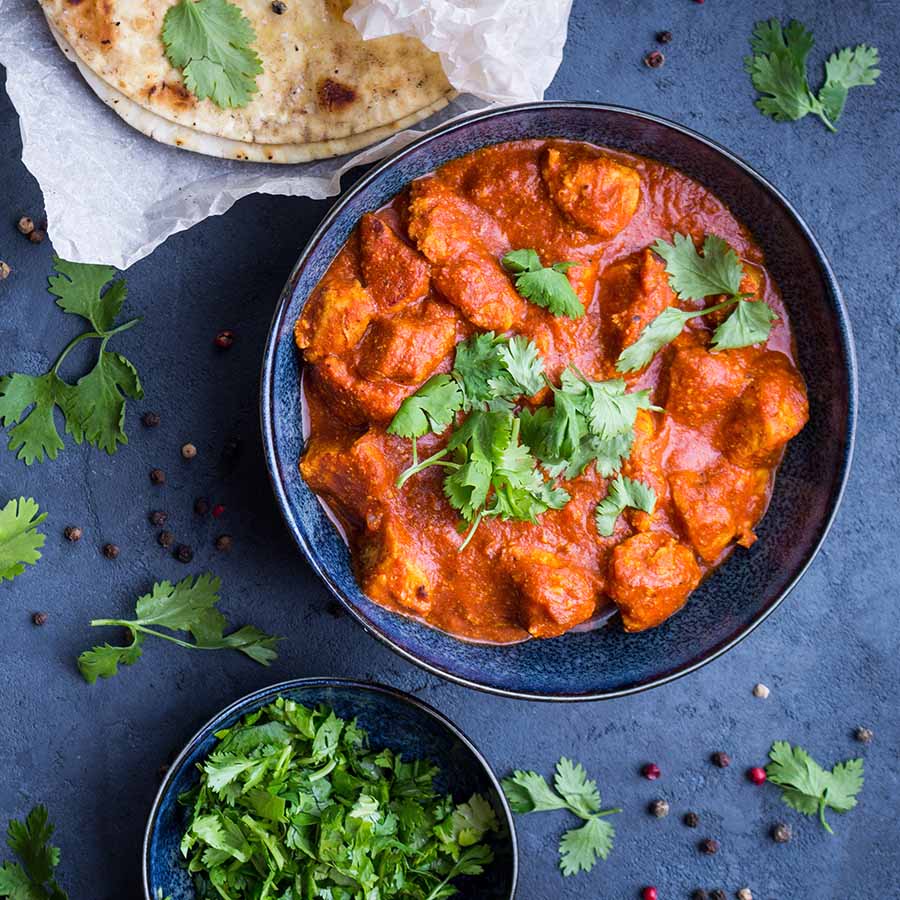
This blend often contains coriander, paprika, cumin, fenugreek, and chili, creating a full-bodied, savory flavor with noticeable heat. Tikka Masala is often used for pan dishes and creamy sauces that pair perfectly with rice or flatbread.
Chaat Masala, Chai Masala, and other specialty blends
Chaat Masala for snacks and street food
Chaat Masala is a versatile blend often used for snacks, salads, and street food. It contains intense flavors and often sour and salty notes. Perfect for adding a bold flavor boost.
Chai Masala for tea blends
This special spice blend is used in tea and typically contains cardamom, cinnamon, cloves, and ginger. With Chai Masala, your tea becomes a true moment of enjoyment.
Regional and creative masala variations
Many households have developed their own unique masala recipes, adapted to personal preferences and regional ingredients. This leads to creative variations that enrich the culinary experience.
Making masala yourself: step by step
Choosing the spices
Whole vs. ground spices
The choice between whole and ground spices is essential for aroma. Whole spices have a longer shelf life and provide a more intense flavor when freshly ground. Ground spices, however, are practical for quick preparation.
Basic building blocks for your own masala blends
Here are some common base spices for your own masala blend:
- Warm base: cumin, coriander, pepper
- Sweet warmth: cinnamon, cardamom, nutmeg
- Heat: chili, pepper, ginger
- Earthy depth: turmeric, fenugreek, fennel
Roasting techniques and grind sizes
Dry roasting for intense aroma
To intensify the aroma of the spices, you can dry roast them before use. Roast the spices in a pan over medium heat and make sure not to burn them. The process takes only a few minutes.
Grinding: mortar, grinder, or blender
To grind the spices, you can use a mortar and pestle or an electric grinder. A mortar is ideal for releasing the aromas in a controlled way. Electric grinders are practical for larger quantities. The fineness of the grind depends on your recipe.
Creating your own Garam Masala variation
Classic structure of a Garam Masala
A classic Garam Masala blend could include:
- Cumin
- Coriander
- Pepper
- Cardamom
- Cinnamon
- Cloves
Playing with aromas and proportions
Balance the flavors in your blend to find the right ratio of heat, sweetness, and spice. Be sure to adapt your mixture to seasonal ingredients or personal preferences.
Mixing other masala blends yourself
Tandoori Masala mix for marinades
To make your own Tandoori Masala mix, combine cumin, coriander, paprika, ginger, garlic, turmeric, and chili. Add salt separately so you remain flexible.
Tikka Masala mix for creamy dishes
For your Tikka Masala blend, you can combine coriander, paprika, cumin, fenugreek, turmeric, ginger, nutmeg, cinnamon, cardamom, and pepper.
Chai Masala mix for tea
This blend consists of cardamom, cinnamon, cloves, pepper, and ginger. Even in small amounts, it gives your tea the perfect aroma.
Masala in the kitchen: uses, tips, and ideas
Basics: how masala works in dishes
Building layers of flavor
To develop the full aroma of the spices, it is recommended to roast them in oil at the beginning. This creates deeper flavor. Alternatively, you can add masala briefly at the end to round off the dish.
Difference between a dry blend and masala paste
There is a big difference between dry blends and masala pastes that contain liquids such as oil or water. A paste is perfect for marinades or as a base for stews.
Masala for curries, stews, and pan dishes
Use in classic curry dishes
For a traditional curry, start with a base of onions, garlic, and ginger and then add the masala of your choice. Depending on the recipe, you can use different masalas for different curry styles.
Masala for lentils, beans, and vegetables
Garam Masala works especially well in lentil dishes. Vegetable stir-fries can also be seasoned wonderfully with Tandoori or Tikka Masala.
Masala for marinades and oven dishes
Yogurt marinades with Tandoori or Tikka Masala
Combine your spice mix with yogurt and an acidic ingredient such as lemon for delicious marinades. Let the marinade sit for a few hours so the full flavor can develop.
Dry rubs with masala
A dry rub made from your chosen masala blend creates a flavorful crust on roasted vegetables or grilled dishes. Mix your spice blend with a little oil and rub it onto vegetables or meat.
Masala in snacks, salads, and drinks
Masala for salads, bowls, and snacks
Chaat Masala is perfect for snacks, salads, and street food. Sprinkle it over roasted chickpeas, nuts, or fresh fruit for intense flavor.
Masala in tea and hot drinks
Add Chai Masala to your tea to create a flavorful drink. As for dosage, less is often more – small amounts are usually enough.
Storage, shelf life, and quality of masala
How long does masala keep?
Shelf life of whole vs. ground spices
Whole spices stay aromatic longer than ground blends. Freshly ground masala blends should be used within a few months to ensure the best aroma.
Signs of declining quality
A faded smell or a flat taste are clear signs of declining quality. It is important to store masala blends properly in order to preserve their freshness.
Conclusion: discover the diversity of masala spices
Masala spice is not only a base for many traditional Indian dishes, but also a wonderful way to bring diversity and flavor into your kitchen. At 1001 Organic, we make sure you receive the freshest and most sustainably sourced spices directly from Zanzibar. Let yourself be inspired by the countless possibilities.
FAQ
What is the difference between masala and curry powder?
Masala is a combination of different spices, while curry powder is a colonial invention that is usually less complex.
How can I make masala myself?
To make masala yourself, choose a selection of spices, roast them, grind them, and mix them according to your taste.
Can I use masala for dishes outside Indian cuisine?
Yes, masala can also be used in many other styles of cooking to add extra flavor to dishes.
How long does masala stay fresh?
Whole spices last longer than ground blends. It is recommended to use ground masala blends within a few months.
What types of masala are there?
The best-known types include Garam Masala, Tandoori Masala, and Tikka Masala, each with its own unique flavor profile.
How should I store masala properly?
Store masala in a cool, dry place in an airtight container to preserve its freshness and aroma.





Bestsellers























Natural & Fair
• Sustainable farming practices
• Local communities
• Direct partnerships
• Effective value creation at the source of the spices
• Farm to Kitchen concept
• Protection of biodiversity
• Fair working conditions

