



Vanilla essence is a concentrated liquid extract of real vanilla pods, usually dissolved in alcohol. It is mainly used to flavour food and drinks and impresses with its intense, naturally warm taste.
What is vanilla essence?
Basic definition
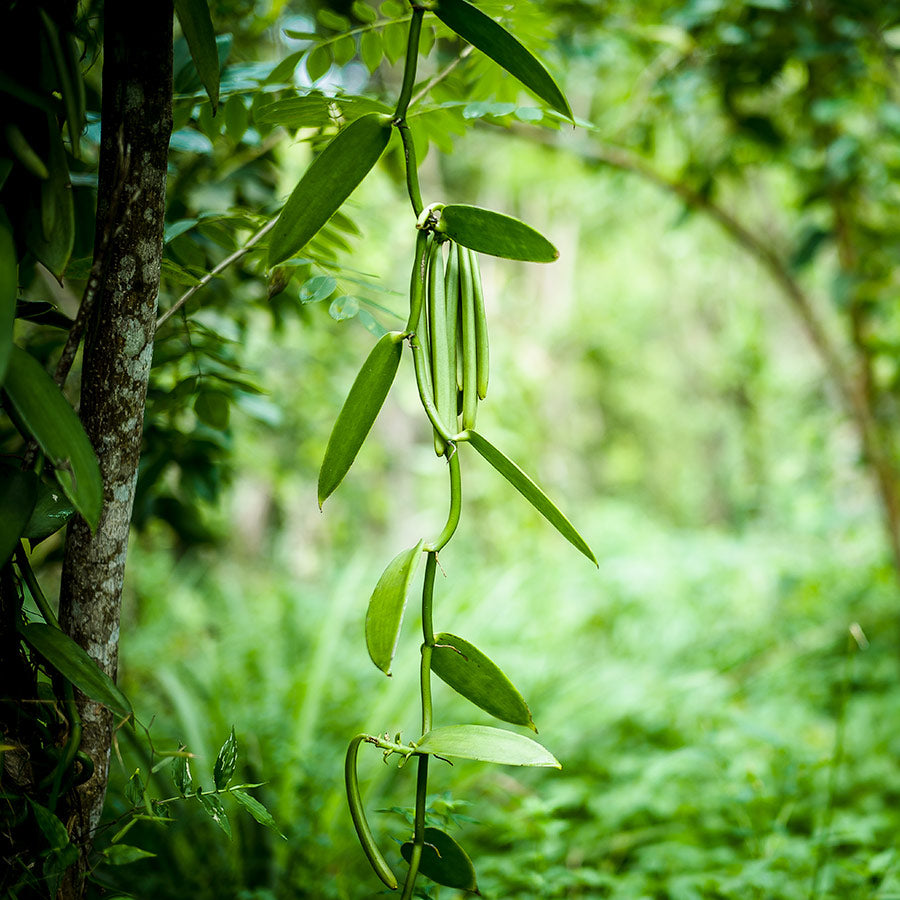
Vanilla essence, often also called vanilla extract, is a liquid extract of real vanilla pods that releases the natural aroma compounds by dissolving them in alcohol. It contains the essential aromas of vanilla in highly concentrated form, surpassing the pure seeds of a pod in intensity.
Distinguishing the terms
- Vanilla essence / vanilla extract: A direct extract of vanilla pods, usually in alcohol, often with a little added sugar.
- Natural vanilla flavourings: These are largely based on vanilla extract and supplemented with other natural flavour components.
- Vanilla flavouring (not natural): Usually produced synthetically, often from chemically obtained vanillin.
Composition and properties
Typical ingredients
- Extract of vanilla pods in ethanol (often around 35% alcohol).
- Added sugar, dextrose or glycerine to round off the taste.
Sensory profile
- Colour: A dark brown colour that deepens as it matures.
- Taste: A multi-layered vanilla taste with numerous flavour components, not just vanillin.
- Aroma: Warm, sweetish and complex; typical of vanilla.
Shelf life
Pure vanilla extract made from real pods is considered to keep practically for a very long time, as the alcohol has preservative properties.
How vanilla essence is made
Industrial production – the basic principle
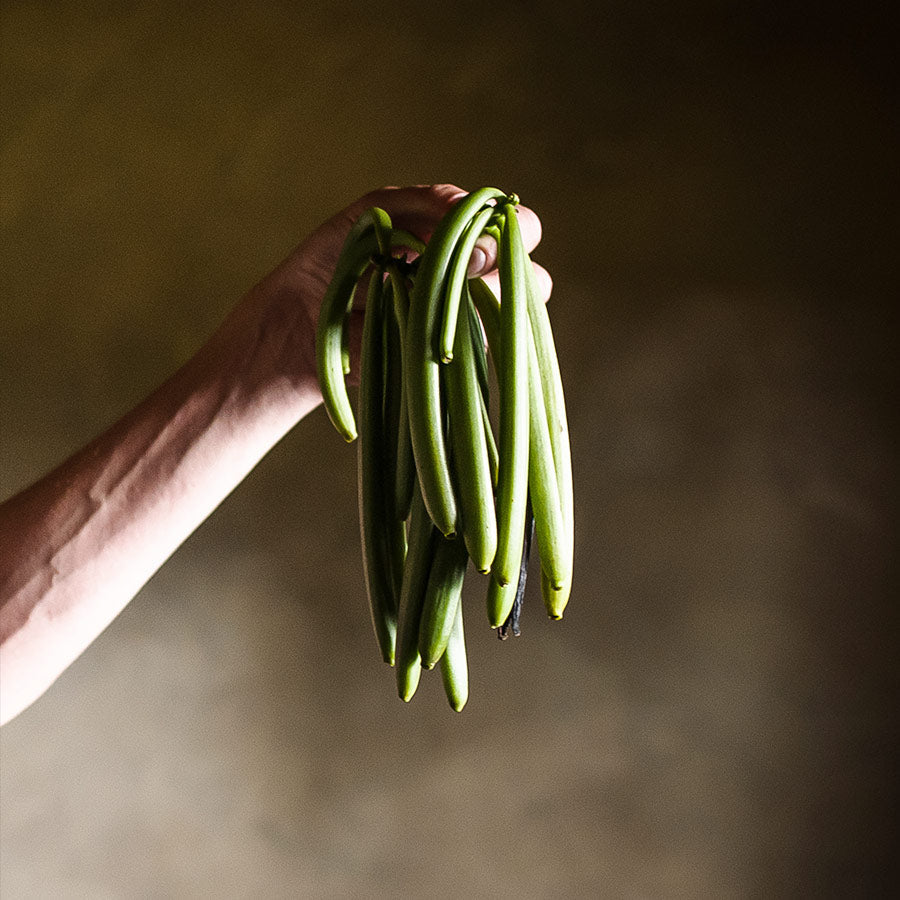
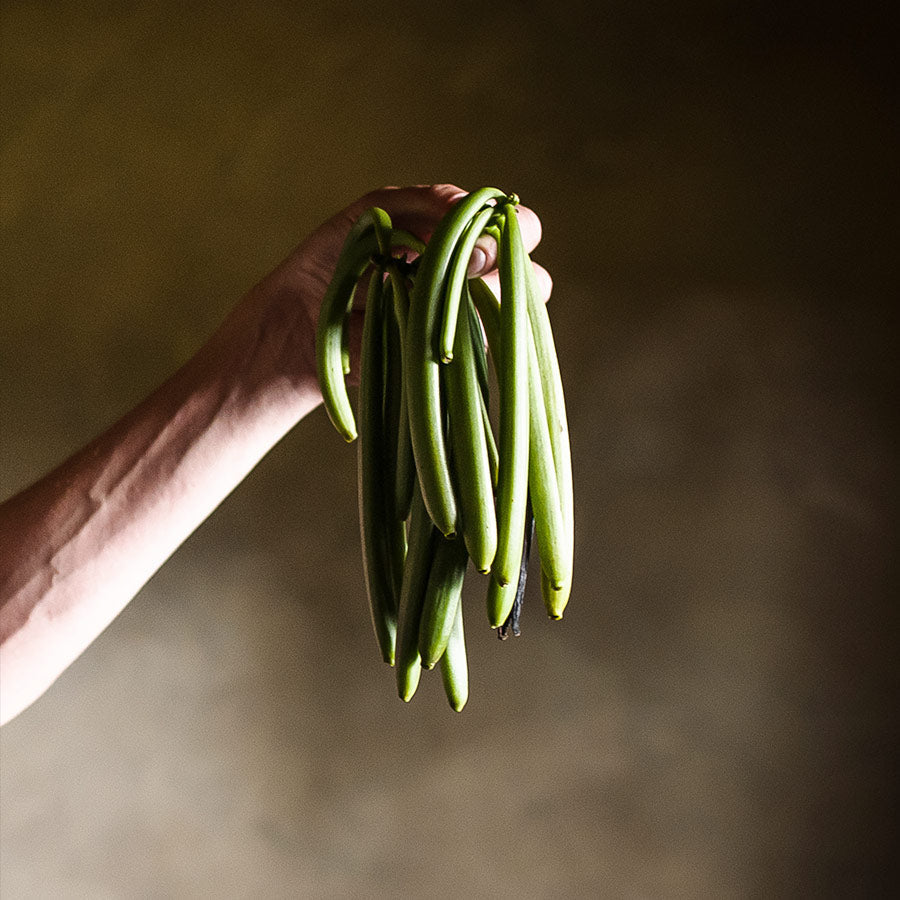
In industrial production, vanilla pods split lengthways are steeped in clear spirits, for example neutral alcohol. This steeping process allows the vanilla’s aroma compounds to pass into the alcohol, so that the colour and flavour intensify over time.
Making it at home – the typical method
To make vanilla essence yourself, split the vanilla pods lengthways and scrape out the seeds, then cut the pods into small pieces. Put this mixture into a sealable bottle and top up with alcohol of about 40% so that the vanilla is completely covered. After sealing the bottle tightly, leave the mixture to infuse for a few weeks, during which the liquid darkens and develops an intense aroma.
Maturing and topping up
A longer maturing time deepens both the flavour and the colour of the essence. By occasionally replacing individual pods and topping up with alcohol, one batch can be used for a long time.
Differences from other vanilla products
Vanilla essence vs. natural vanilla flavouring
- Vanilla essence / extract: A direct extract of vanilla pods that contains a broad spectrum of aroma compounds.
- Natural vanilla flavouring: Largely based on vanilla extract, with at least 95% coming from natural sources.
Vanilla essence vs. vanilla flavouring (synthetic)
Synthetic vanilla flavouring usually contains only one main component of the vanilla aroma and often seems one-dimensional. Products simply labelled “vanilla flavouring” can be based entirely on synthetically produced flavourings.
Vanilla essence vs. vanilla paste
- Vanilla essence: Thin, without visible seeds, easy to dose and to distribute in liquid mixtures.
- Vanilla paste: Made from vanilla extract with thickeners and visible vanilla seeds, ideal when the typical black specks are desired.
Use in the kitchen
Typical uses
Vanilla essence is mainly used to flavour sweet dishes and drinks, such as:
- Doughs and batters for cakes, biscuits and pastries.
- Desserts such as pudding, cream, ice cream, sauces or desserts in a glass.
- Hot drinks such as hot chocolate, coffee drinks, flavoured milk or winter drinks.
- Chocolate spreads and other sweet spreads.
Vanilla essence is occasionally also used in savoury dishes to create a special aromatic depth, for example in combination with pumpkin or special sauces.
Dosage and substitution
Vanilla essence is highly concentrated and should be used sparingly. It is often recommended to use about 1–2 teaspoons of vanilla extract per 500 ml of dough or batter, depending on the desired intensity. As a guide: one vanilla pod corresponds to roughly 1–2 teaspoons of vanilla extract.
Vanilla essence in the context of flavourings and regulation
The role of vanillin and accompanying compounds
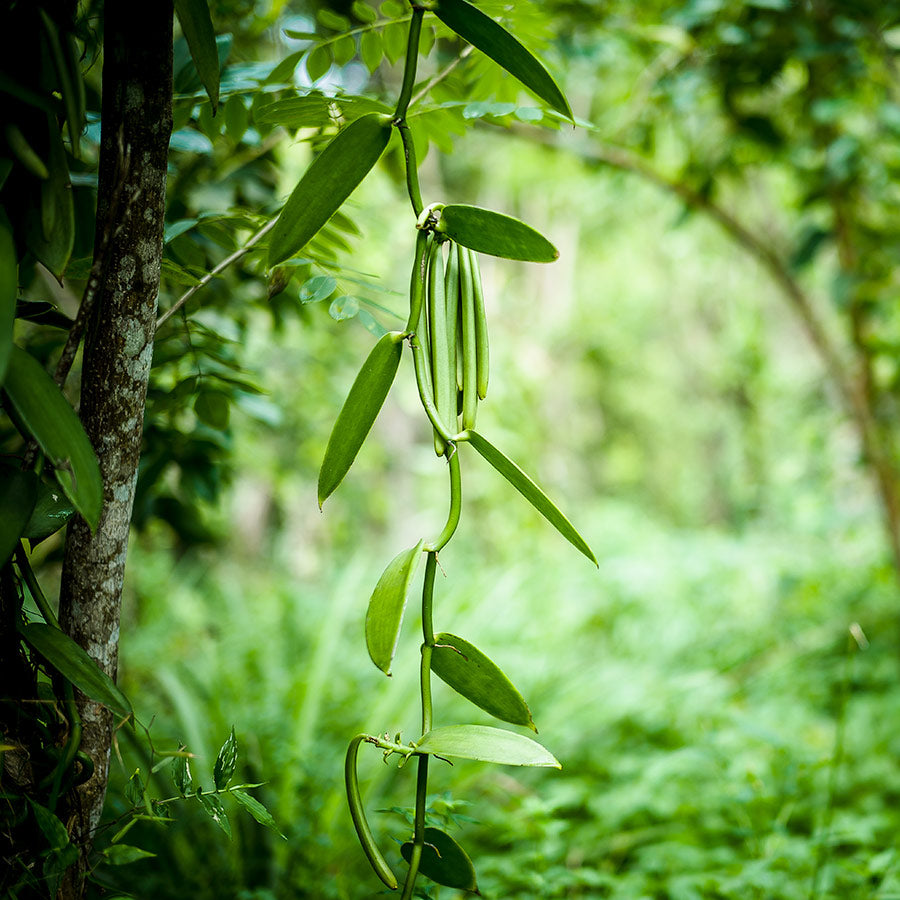
Vanilla pods contain numerous aroma-active substances, of which vanillin is the main component. However, many accompanying components are also decisive for the typical vanilla impression, and their interplay depends on the variety, origin and processing.
Legal distinctions (EU context)
- Natural vanilla flavouring: The flavouring part must come exclusively from natural flavouring substances and extracts.
- A flavouring labelled as natural vanilla flavouring must contain at least 95% of its flavour from vanilla.
- Vanilla flavouring without the word “natural”: These can consist of synthetic substances and are mostly made from chemically obtained vanillin.
Vanilla essence outside the kitchen
Use in cosmetics and fragrance care
Vanilla extract is also used in natural cosmetics and aroma care, for example in massage oils, body oils or fragrance products, mainly because of its warm, appealing scent. There it acts primarily as a fragrance with a gently sensual character.
Quality features of vanilla essence
Signs of high-quality products
- The base should be real, carefully processed vanilla pods.
- Transparent labelling: pure vanilla extract from vanilla pods, with minimal additional ingredients.
- The ability to trace the origin of the vanilla and the extraction methods.
Influence of variety and origin
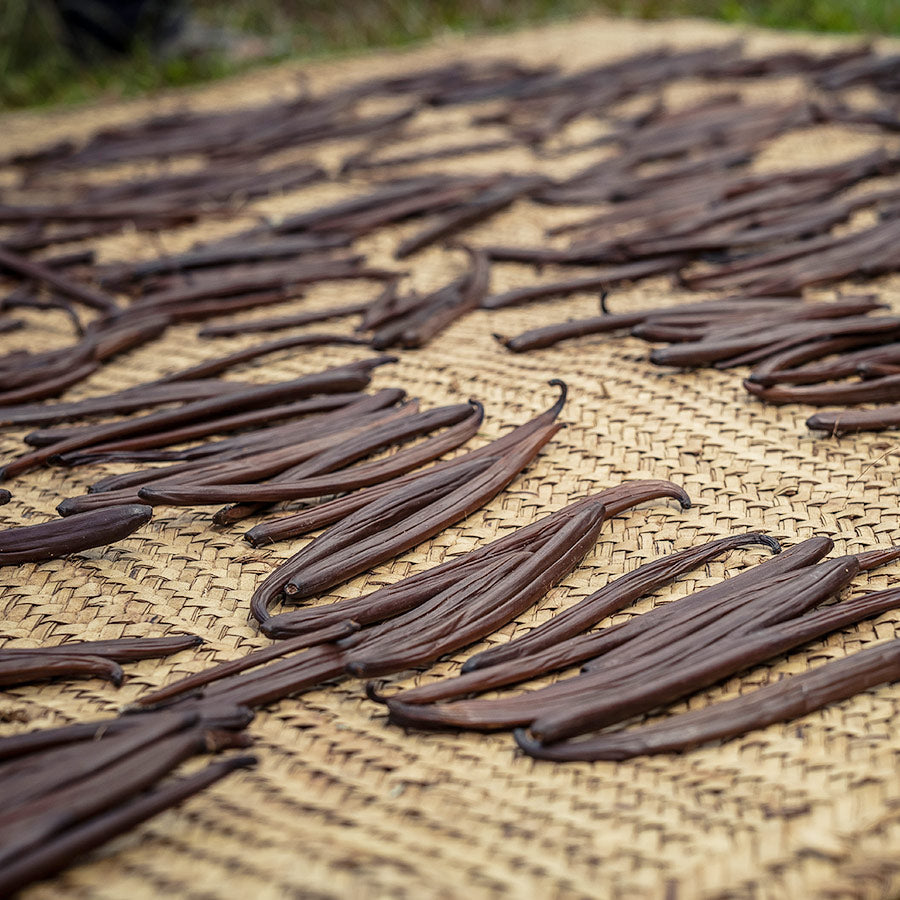
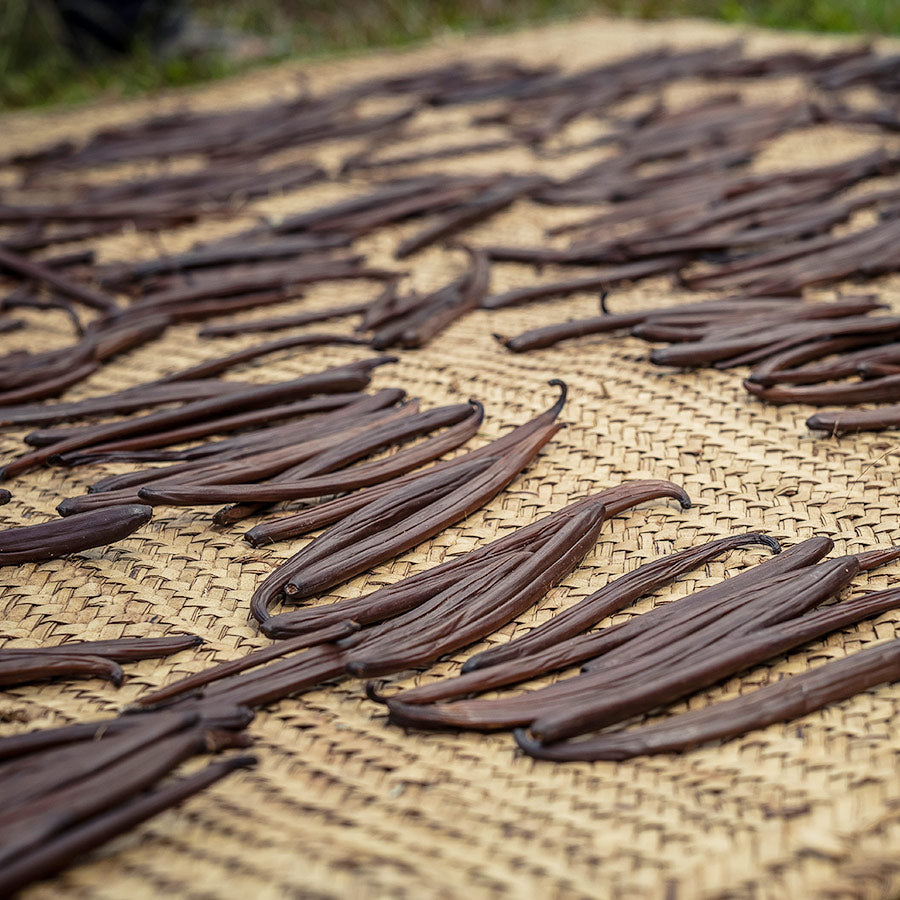
Different vanilla varieties and growing regions produce different aromatic nuances, for example smoky, medicinal or floral. Processing steps such as fermentation and drying have a considerable influence on the final aroma of the extract.
Conclusion
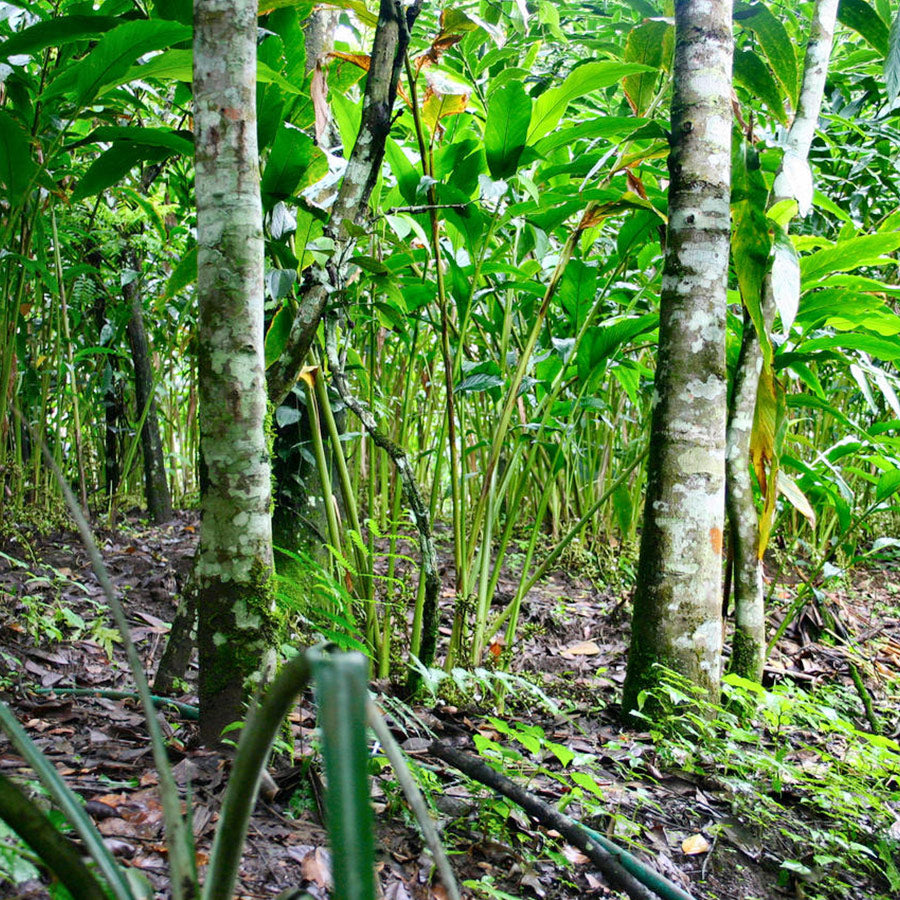
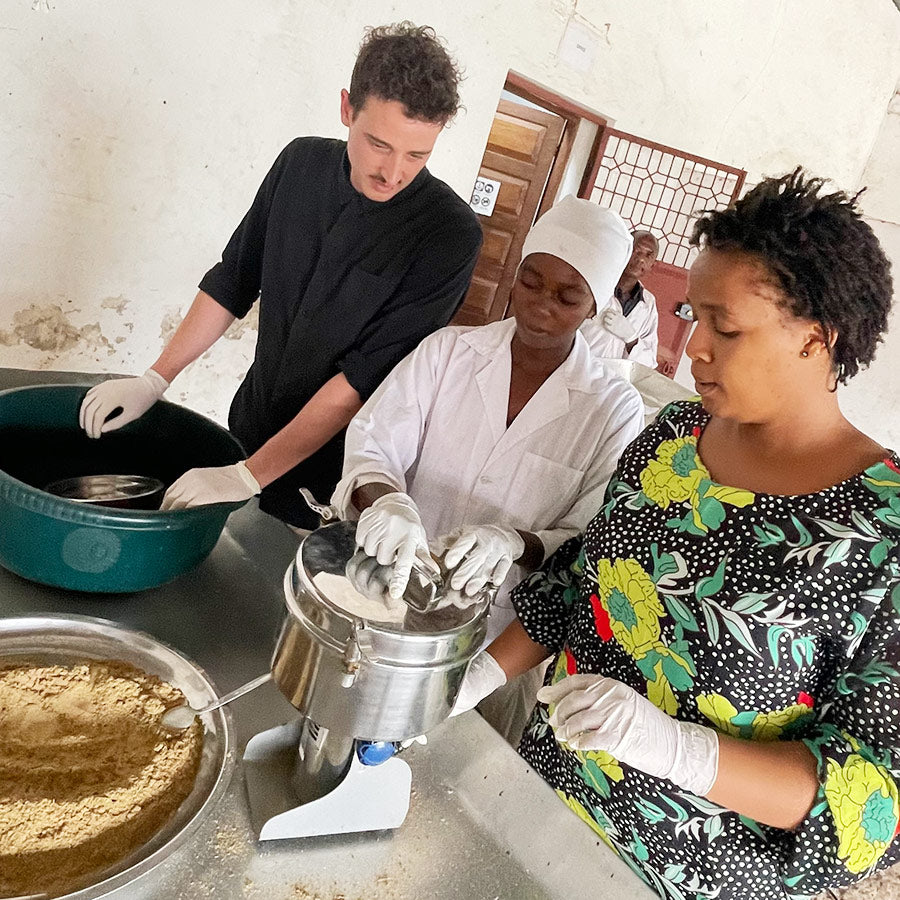
Using high-quality vanilla products sourced sustainably and directly from smallholder farmers, such as the vanilla essence from 1001 Organic, not only guarantees an intense aroma but also supports the livelihoods of producers on Zanzibar. By buying these authentic, fresh products, you can become part of a responsible movement that combines enjoyment and social impact.
FAQ about vanilla essence
What is the difference between vanilla essence and vanilla extract?
Vanilla essence and vanilla extract often refer to the same product, although the term vanilla extract is more commonly used to describe a liquid extract of real vanilla pods, often dissolved in alcohol.
How long does vanilla essence keep?
Thanks to its high alcohol content, pure vanilla extract has a very long shelf life, often several years, as long as it is stored under optimal conditions.
How is vanilla essence made?
Vanilla essence is made by steeping split vanilla pods in alcohol, allowing the aromas to pass into the liquid. This process can take a few weeks.
Can I use vanilla essence in savoury dishes?
Yes, vanilla essence can occasionally be used in savoury dishes to create aromatic depth, e.g. in combination with pumpkin dishes or special sauces.
How do I dose vanilla essence correctly?
Vanilla essence is very concentrated and should be used sparingly; about 1–2 teaspoons per 500 ml of mixture is often recommended.
What are the benefits of buying vanilla essence from 1001 Organic?
Buying vanilla essence from 1001 Organic means the products are sourced directly from smallholder farmers on Zanzibar, which not only ensures the highest freshness and quality but also supports the local economy and has a positive social impact.


Bestsellers


















Natural & Fair
• Sustainable farming practices
• Local communities
• Direct partnerships
• Effective value creation at the source of the spices
• Farm to Kitchen concept
• Protection of biodiversity
• Fair working conditions

